




What's Happening?
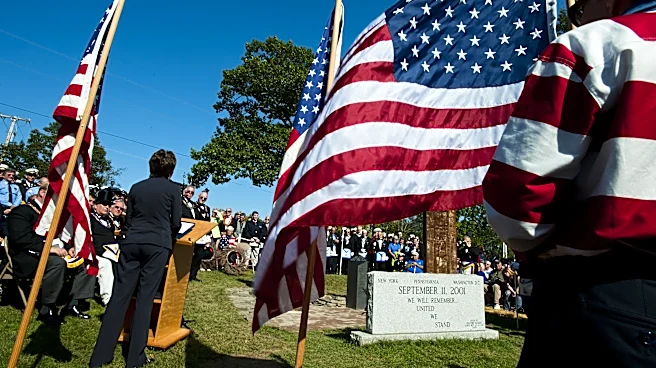
U.S. Representative Salud Carbajal (D-CA-24) recently hosted a dedication ceremony for newly installed story board panels at Loon Point Park near Carpinteria. These panels commemorate the World War I Memorial Oaks, which were originally planted nearly
a century ago to honor Santa Barbara County soldiers who served in the war. Many of the original live oaks were removed during the recent Highway 101 expansion project. The ceremony formally dedicated the new panels, aiming to preserve the history and significance of the revitalized Memorial Oaks site and honor local World War I veterans. Representative Carbajal represents California’s 24th Congressional District, which includes Santa Barbara County and parts of San Luis Obispo and Ventura counties. The event was attended by several local officials, including California State Senate President Pro Tempore Monique Limón, Santa Barbara County Supervisor Roy Lee, Santa Barbara County Association of Governments Executive Director Marjie Kirn, and Caltrans District 5 Project Manager Joe Arnold.
Why It's Important?
This dedication ceremony is important as it reinforces the community's commitment to remembering and honoring military veterans, particularly those who served in World War I. The preservation of the Memorial Oaks' history through these story panels ensures that future generations can learn about the sacrifices made by local soldiers. The event also highlights the collaborative efforts between federal, state, and local government entities, as well as community organizations, in preserving historical landmarks and narratives. For the Santa Barbara County community, it provides a tangible link to its past and a place for reflection on the costs of war. The involvement of a U.S. Representative underscores the national significance of local veteran remembrance initiatives and the role of elected officials in fostering community heritage and patriotism.
What's Next?
The newly dedicated story board panels at Loon Point Park will serve as a permanent educational and commemorative display for residents and visitors. It is expected that the site will continue to be a place for community gatherings and remembrance, particularly around Veterans Day and other patriotic holidays. Local schools and historical societies may utilize the site for educational programs, further embedding the history of World War I and local veterans into the community's consciousness. The successful collaboration between various government agencies and community leaders for this project could also set a precedent for future historical preservation and community engagement initiatives within Santa Barbara County and the broader 24th Congressional District.
Beyond the Headlines
Beyond the immediate commemoration, this event touches upon broader themes of historical memory, urban development, and environmental stewardship. The removal of original trees for highway expansion and their subsequent commemoration through new plantings and storyboards illustrates the ongoing tension between infrastructure development and historical preservation. It also highlights the adaptive nature of memorialization, where the physical form of a memorial may change, but its purpose and meaning endure. The act of planting trees as living memorials, a practice dating back to the post-World War I era, underscores a universal human desire to create lasting tributes that connect nature with remembrance. This initiative serves as a model for how communities can navigate modernization while still honoring their past and the sacrifices of their citizens.