




What's Happening?
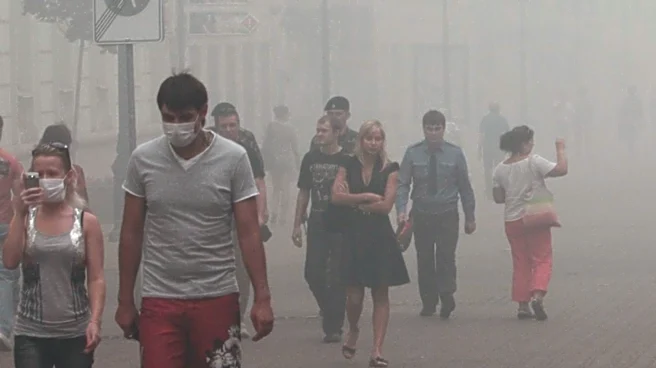
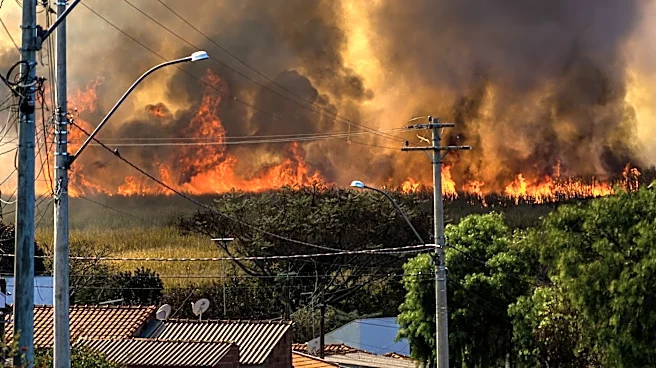
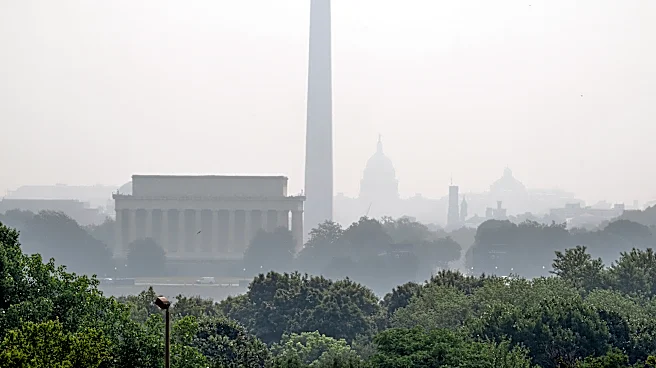
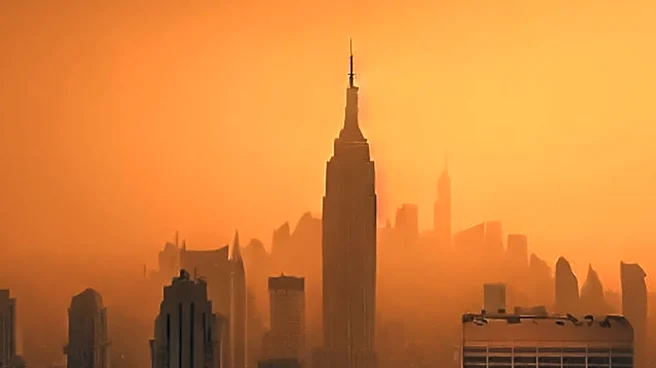
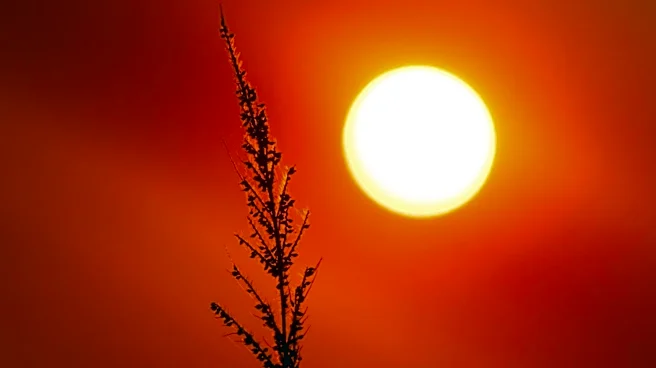
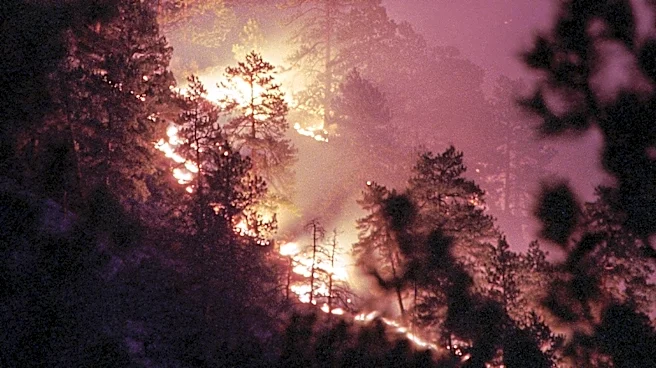
The Illinois Environmental Protection Agency has extended an air quality alert into Monday for northern and central Illinois due to a second wave of wildfire smoke. This smoke, containing high levels of particulate matter, returned to the area on Saturday
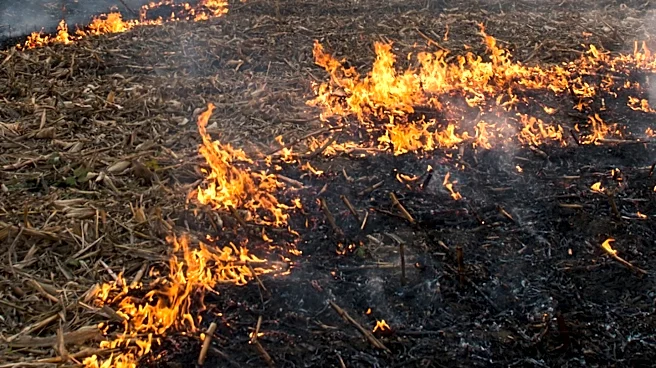
night and is expected to clear by Monday evening. The National Weather Service (NWS) has warned that conditions will be unhealthy for sensitive groups, including those with heart or lung disease, older adults, teens, and children. These groups are advised to avoid long or intense outdoor activities. The smoke, originating from wildfires in Canada and Minnesota, has caused PM2.5 levels in parts of northern Illinois to quadruple previous records. PM2.5 particles, which can be emitted by various sources including wildfires, pose significant health risks as they can penetrate deep into the lungs and enter the bloodstream.
Why It's Important?
The return of unhealthy air quality levels in Illinois highlights the growing impact of climate change on air pollution and public health. As climate change intensifies, the frequency and severity of wildfires are expected to increase, leading to more frequent air quality alerts. This situation underscores the need for effective climate policies and public health strategies to mitigate the impact of such events. The health risks associated with PM2.5 particles are significant, as they can cause respiratory and cardiovascular issues, particularly in vulnerable populations. The economic implications are also considerable, as poor air quality can lead to increased healthcare costs and reduced productivity.
What's Next?
The situation in Illinois may prompt further discussions on climate change mitigation and adaptation strategies at both state and national levels. Policymakers may need to consider stricter regulations on emissions and increased investment in renewable energy sources to reduce the frequency of such events. Public health officials may also need to enhance communication strategies to better inform and protect vulnerable populations during air quality alerts. Additionally, there may be increased pressure on neighboring states to address cross-border pollution issues.