



What's Happening?
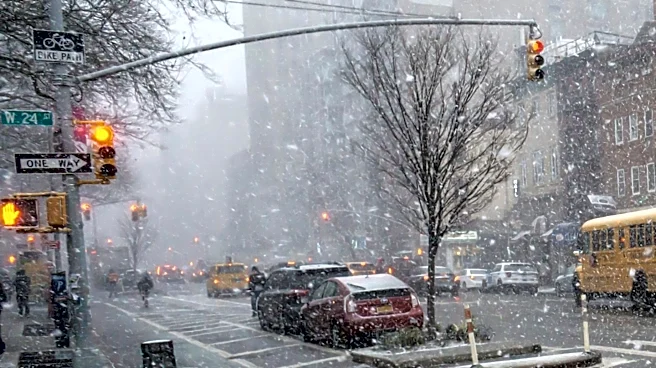
New York City has activated its Code Blue protocol from 4 p.m. Friday, November 13, through 8 a.m. Saturday, November 14, in response to anticipated freezing temperatures and wind chills. The National Weather Service forecasts temperatures in Central
Park to drop to approximately 36 degrees, with wind chills potentially reaching 34 degrees, and colder air expected to bring conditions closer to freezing. Mayor Zohran Kwame Mamdani stated that the city's priority is to ensure every New Yorker has a warm and safe place to stay. During Code Blue, drop-in centers, warming centers, and warming buses will be open, and outreach teams will distribute cold-weather supplies and connect individuals to shelter and support. NYC Health + Hospitals will also open warming centers at Bellevue, Elmhurst, and Harlem Hospitals, providing food, activities, and social workers.
Why It's Important?
The activation of Code Blue is crucial for public safety, particularly for vulnerable populations such as the homeless and those without adequate heating. Freezing temperatures pose significant health risks, including hypothermia and frostbite, which can be life-threatening. By activating Code Blue, New York City aims to mitigate these risks by providing immediate access to warmth and shelter, thereby preventing cold-related emergencies and reducing strain on emergency services. The coordinated effort across city agencies, including the Department of Homeless Services and NYC Health + Hospitals, underscores the importance of a robust public health response to extreme weather. This initiative highlights the city's commitment to protecting its residents during harsh weather conditions and serves as a critical public health measure.
What's Next?
The Code Blue activation will remain in effect until 8 a.m. Saturday, November 14. During this period, New Yorkers are encouraged to call 311 if they see someone outside who may need help, and 911 if someone appears to be in danger or severely affected by the cold. The Department of Homeless Services (DHS) will continue to operate eight drop-in centers, six buses, and three warming centers, with hospital emergency rooms also open for shelter. NYC Emergency Management Commissioner Christina Farrell advises residents to dress in layers, stay indoors if possible, and take precautions against fire hazards from indoor heaters. The city will monitor conditions and adjust its response as needed, emphasizing community vigilance and support for vulnerable individuals.
Beyond the Headlines
The recurring need for Code Blue activations in New York City points to broader societal challenges beyond immediate weather responses, particularly the persistent issue of homelessness and inadequate housing. While Code Blue provides critical short-term relief, it underscores the systemic vulnerabilities faced by a significant portion of the population. The city's efforts to provide warming centers and outreach highlight the ongoing struggle to ensure basic human needs are met for all residents. This situation also brings to light the importance of community solidarity, as residents are urged to check on neighbors and report those in need. The long-term implications involve continued efforts to address housing insecurity, improve access to permanent shelter, and develop sustainable solutions that reduce reliance on emergency measures during extreme weather events.