




What's Happening?
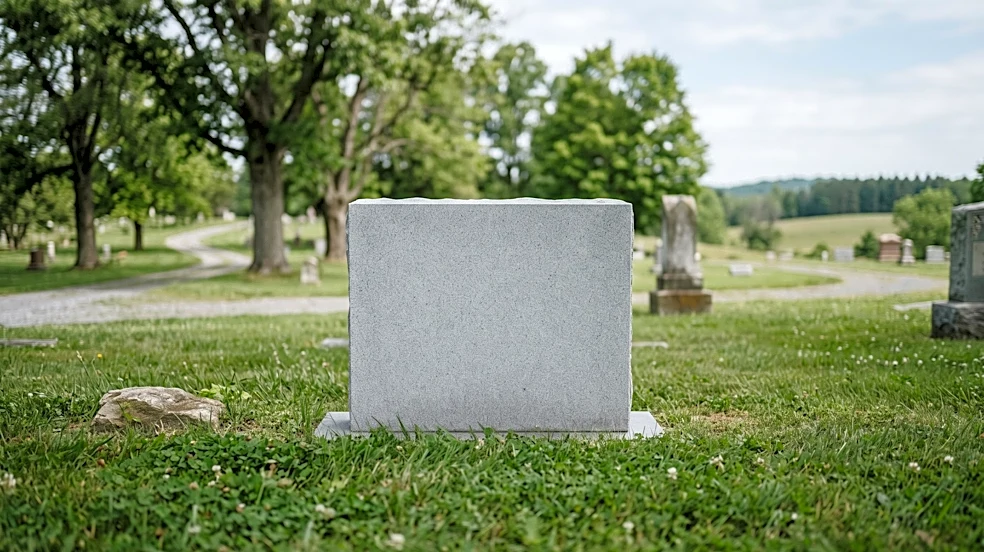
The Vermont Department of Corrections (DOC) is working to correct burial records and replace deteriorating wooden crosses with permanent gravestones for individuals who died in state custody and whose remains went unclaimed. These burials occur in a dedicated
lot within Ascutney Cemetery in Windsor, Vermont, a practice that dates back 150 years. Although Windsor's last prison closed in 2017, the DOC continues to own and maintain this burial site, which currently holds 42 marked plots. Joshua Rutherford, deputy director for the facilities division of the Department of Corrections, is leading efforts to update inconsistent record-keeping using the department's Offender Management System database. The most recent burial occurred last year for Gregory Penn, who died at age 68 while serving a sentence at Southern State Correctional Facility.
Why It's Important?
This initiative by the Vermont DOC addresses a long-standing issue of dignity and historical accuracy for individuals who died while incarcerated and were unclaimed by their families. The transition from temporary wooden crosses to permanent, non-denominational gravestones signifies a move towards more respectful and inclusive practices, acknowledging the diverse beliefs of those buried. It also highlights the state's responsibility to provide a dignified final resting place when families cannot or do not claim remains. The historical context of the cemetery, which once relied on incarcerated individuals for maintenance, underscores the evolving relationship between correctional facilities and community services, and the ethical considerations surrounding such labor practices.
What's Next?
The Department of Corrections plans to gradually replace all wooden crosses with permanent gravestones as budget and time allow. This process will also involve correcting errors in existing burial records to ensure accuracy. The new markers will be non-denominational, reflecting a more inclusive approach to burial practices. The DOC will continue its protocol of attempting to contact next of kin for incarcerated individuals nearing the end of life to discuss their final wishes and potential claim of remains. The Ascutney Cemetery will remain the place of last resort for unclaimed remains, maintaining Windsor's historical connection to the state's correctional system.
Beyond the Headlines
The practice of burying unclaimed incarcerated individuals in a dedicated plot raises profound ethical and societal questions about human dignity, even in death. The historical context reveals how societal views on incarceration and the treatment of the deceased have evolved. The shift to non-denominational markers reflects a modern understanding of religious freedom and respect for individual beliefs, moving away from historical assumptions of Christian burial. This situation also sheds light on the often-overlooked lives of those within the correctional system, many of whom may have limited connections to the outside world. The efforts to correct records and provide permanent markers serve as a quiet acknowledgment of their existence and a step towards rectifying past oversights in their final disposition.