








What's Happening?
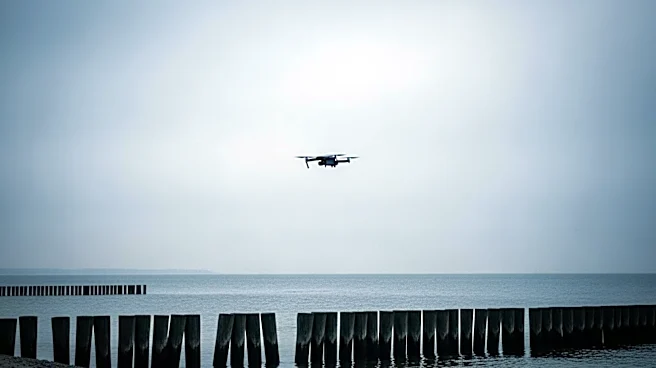
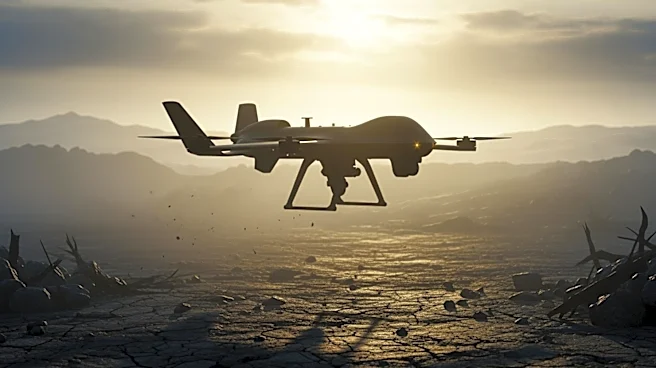
The Senate Armed Services Committee has proposed the creation of a new combatant command focused on autonomous warfare, as part of the latest National Defense Authorization Act (NDAA). This initiative aims to establish the Robotic and Autonomous Systems
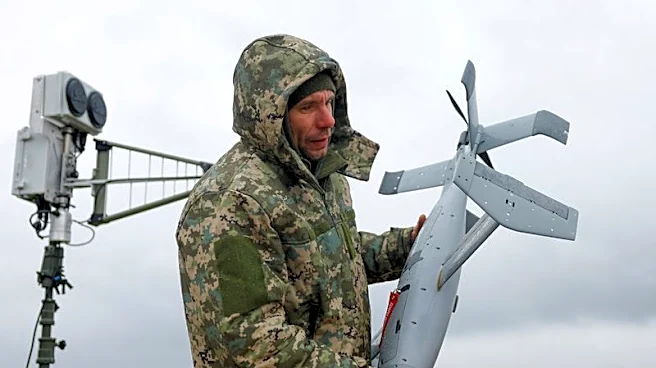
Combatant Command, which would be led by a four-star general. The proposal is inspired by Ukraine's recent military advancements in drone technology. The command would have special test and evaluation authorities to experiment with emerging weapons. The NDAA, which includes this proposal, passed the committee with an 18-9 vote. However, the full text of the bill has not been released, and it remains unclear how this new command would integrate with existing military efforts.
Why It's Important?
The establishment of a dedicated command for autonomous warfare reflects a significant shift in military strategy, emphasizing the growing importance of unmanned systems in defense operations. This move could enhance the U.S. military's ability to rapidly develop and deploy advanced technologies, potentially giving it a strategic advantage in future conflicts. The proposal also highlights the increasing role of technology in modern warfare, which could lead to changes in military training, procurement, and operational strategies. However, the initiative faces challenges, including budgetary constraints and the need for coordination with existing military commands.
What's Next?
If the NDAA is enacted, the Department of Defense will need to outline the structure and operational framework for the new command. This will involve determining how it will interact with other military branches and commands. Additionally, the proposal's success will depend on securing the necessary funding through the appropriations process. The Pentagon and Congress will need to collaborate closely to address any logistical and strategic challenges that arise during the implementation phase.