



What's Happening?
High school students across the United States have access to a wide array of summer programs for 2027, with application deadlines ranging from November 2026 through July 2027. These programs span various fields including arts, sciences, humanities, business,
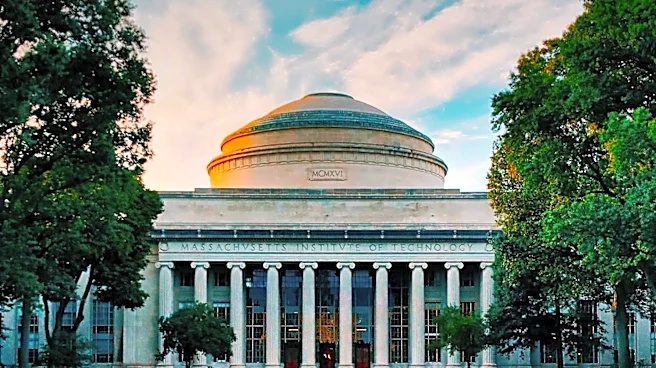
and technology, and are offered by universities, government agencies, and non-profit organizations. Many programs provide financial assistance, including state-funded scholarships, stipends, and need-based aid, making them accessible to a diverse student population. Examples include the Harvard Summer School Secondary School Program, Tennessee Governor's Schools focusing on various subjects, and specialized programs like the Tisch Summer High School Residential Program at NYU for arts, and the Broad Summer Scholars Program at MIT and Harvard for science. Some programs are geographically restricted, such as those for residents of specific states or counties, while others are open to U.S. citizens and permanent residents nationwide. The costs associated with these programs vary significantly, from free opportunities with stipends to tuition-based programs that can cost several thousand dollars, with some including room and board.
Why It's Important?
The availability of these diverse summer programs is crucial for the academic and personal development of U.S. high school students. They offer unique opportunities for advanced learning, skill development, and exposure to potential career paths that may not be available in a traditional high school setting. For students from low-income backgrounds or underrepresented groups, the provision of free programs, scholarships, and stipends is particularly vital, as it helps bridge educational equity gaps and fosters talent development across all socioeconomic strata. These programs can significantly influence college applications, career choices, and overall life trajectories by providing hands-on experience, mentorship, and networking opportunities. Furthermore, specialized programs in STEM, arts, and humanities contribute to building a skilled future workforce and fostering innovation in critical sectors of the U.S. economy and society. The regional focus of many programs also strengthens local talent pipelines and addresses specific community needs.
What's Next?
As application deadlines approach, prospective high school students and their families will need to carefully review program requirements, costs, and eligibility criteria. Many programs require nominations from schools or have specific GPA minimums. Students interested in state-funded or geographically restricted programs should verify their residency and other local requirements. For those needing financial assistance, early application is often recommended, as scholarships and aid can be competitive. Program organizers will continue to process applications and notify accepted students, with some programs requiring deposits upon acceptance. The success of these programs in attracting and nurturing talent will depend on continued funding, outreach efforts, and the ability to adapt to evolving educational needs and student interests. Future iterations of these programs may see increased emphasis on emerging fields like artificial intelligence and biotechnology, reflecting broader trends in education and industry.
Beyond the Headlines
Beyond the immediate benefits of academic enrichment, these summer programs play a significant role in shaping the long-term educational landscape and social mobility in the U.S. By offering specialized training and exposure, they can help mitigate the 'summer slide' phenomenon, where students lose academic ground during school breaks. The emphasis on diversity and inclusion in many programs also addresses systemic inequalities, providing pathways to higher education and professional careers for students who might otherwise be overlooked. The partnerships between universities, government entities, and non-profits highlight a collaborative approach to youth development, fostering a sense of civic engagement and community responsibility. Moreover, the skills acquired, such as critical thinking, problem-solving, and collaboration, are invaluable for navigating a rapidly changing world, preparing students not just for college, but for active and informed participation in society.