







What's Happening?
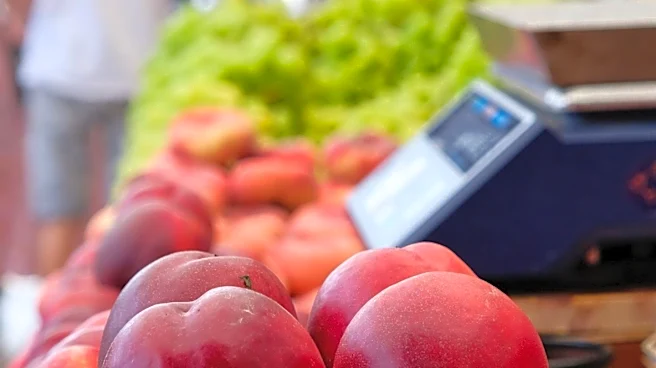
A cyclosporiasis outbreak has led to increased consumer interest in local produce in the Pittsburgh area. The outbreak, linked to contaminated food or water, has caused severe gastrointestinal illness among affected individuals. In response, shoppers
are turning to local farmers markets, seeking produce perceived as safer and fresher. This shift in consumer behavior highlights concerns about food safety and the desire for greater transparency in food sourcing. Local farmers have reported a rise in sales as consumers prioritize locally grown options over imported produce.
Why It's Important?
The cyclosporiasis outbreak underscores the importance of food safety and the potential health risks associated with contaminated produce. It highlights the need for stringent food safety regulations and effective monitoring systems to prevent such outbreaks. The increased demand for local produce reflects a growing consumer preference for transparency and trust in food sourcing. This trend could have significant implications for the agricultural industry, potentially boosting local economies and encouraging sustainable farming practices. It also raises questions about the effectiveness of current food safety protocols and the need for improvements to protect public health.
What's Next?
As the outbreak continues, health authorities are likely to intensify efforts to identify the source of contamination and prevent further cases. Public health campaigns may focus on educating consumers about safe food handling practices and the benefits of buying local produce. The agricultural sector may see increased investment in local farming initiatives and infrastructure to meet rising consumer demand. Policymakers could also consider revising food safety regulations to enhance protection against similar outbreaks in the future. Ongoing monitoring and research will be crucial in understanding and mitigating the risks associated with foodborne illnesses.