





What's Happening?
Representative Jan Schakowsky (D-IL) and Senator Tammy Duckworth (D-IL) have reintroduced the 'Eleanor Smith Inclusive Home Design Act' in Congress. This legislation mandates that new single-family homes built with federal funds adhere to specific accessibility
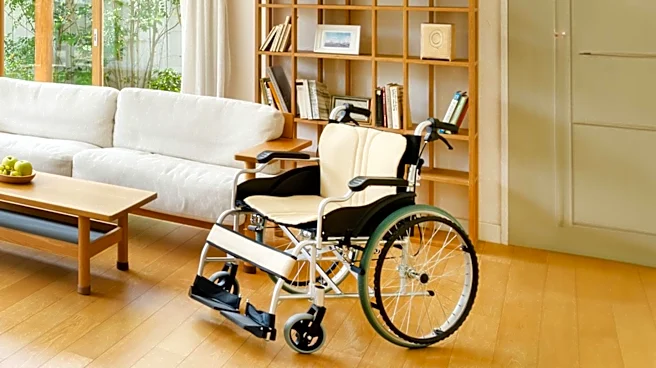
standards. These standards include at least one zero-step entrance, doorways wide enough for wheelchair access on the main level, a wheelchair-accessible bathroom, and reachable light switches and thermostats. The bill was introduced on July 24, coinciding with the 36th anniversary of the Americans with Disabilities Act (ADA), highlighting both the achievements of the ADA and the ongoing need for accessibility improvements. The act aims to address the needs of millions of Americans who require accessibility features to live safely and independently. By incorporating these features into new federally funded homes, the bill seeks to provide a cost-effective solution to a widespread issue.
Why It's Important?
The introduction of the 'Eleanor Smith Inclusive Home Design Act' is significant as it addresses the critical need for accessible housing in the United States. With millions of Americans requiring accessibility features, this legislation could significantly improve the quality of life for individuals with disabilities. By mandating accessibility in new federally funded homes, the bill promotes inclusivity and independence for people with mobility challenges. Additionally, it reflects a broader commitment to fulfilling the promises of the ADA, ensuring that all citizens have equal access to housing. The bill also sets a precedent for future housing policies, potentially influencing state and local regulations to adopt similar standards.
What's Next?
If passed, the 'Eleanor Smith Inclusive Home Design Act' will require compliance from developers of federally funded housing projects, potentially leading to widespread changes in construction practices. The bill's progress through Congress will be closely monitored by advocacy groups and stakeholders in the housing sector. Should the legislation gain traction, it may prompt further discussions on expanding accessibility requirements to existing housing stock. Additionally, the bill could inspire similar initiatives at the state and local levels, further promoting accessible housing nationwide.