



What's Happening?
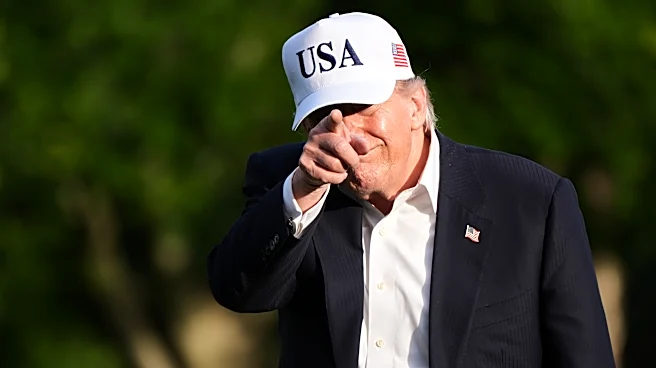
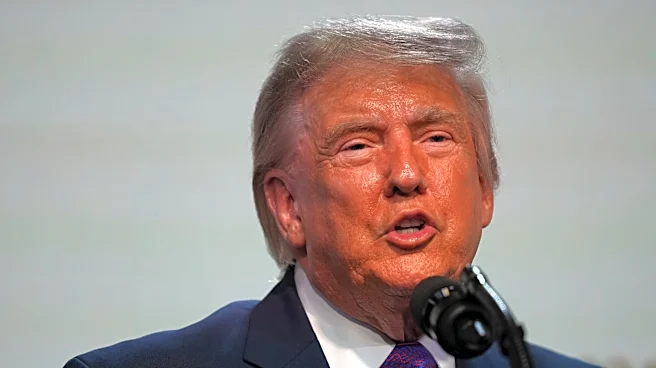
President Donald Trump is actively reshaping the Republican Party by targeting and removing disloyal members. In recent actions, he has influenced key races in states like Louisiana, Kentucky, and Indiana, demonstrating his control over the party. Notably,
Senator Bill Cassidy of Louisiana, who had previously supported Trump, was ousted despite his loyalty. In Kentucky, Representative Thomas Massie is under threat from a Trump-aligned PAC that has invested heavily in his primary race. This move is part of Trump's broader strategy to consolidate power within the GOP by eliminating dissenters. However, this approach has also led to potential issues, as some ousted members, like Cassidy, may return to Washington with a renewed resolve to oppose Trump. Additionally, Trump's approval ratings have hit a record low, with significant disapproval among independents, which could pose challenges for the GOP in upcoming elections.
Why It's Important?
The ongoing purges within the Republican Party highlight a significant shift in its internal dynamics, with President Trump seeking to solidify his influence by removing those who do not align with his agenda. This strategy could lead to a more unified but potentially weaker party in Congress, as it risks losing seats and majorities. The low approval ratings for Trump suggest that while he may strengthen his hold over the party, it could come at the cost of broader electoral success, particularly in battleground states. The GOP's focus on loyalty over broader appeal may alienate moderate voters and independents, impacting their performance in future elections. Furthermore, the internal strife could hinder legislative progress, especially with key vacancies in the Justice Department and health agencies, and ongoing efforts to pass significant immigration legislation.
What's Next?
As President Trump continues his efforts to reshape the GOP, the party faces the challenge of balancing loyalty to Trump with the need to appeal to a broader electorate. The upcoming elections will test the effectiveness of Trump's strategy, particularly in battleground states where his influence may not be as strong. The potential return of ousted members like Cassidy, who may oppose Trump more openly, could complicate legislative efforts and nominations. The GOP will need to navigate these internal conflicts while addressing the concerns of voters who are increasingly disenchanted with Trump's leadership. The party's ability to maintain unity and electoral viability will be crucial as it approaches the next election cycle.
Beyond the Headlines
The purging of dissenters within the Republican Party raises questions about the long-term implications for American political culture. The emphasis on loyalty over policy could lead to a more polarized political environment, where dissent is less tolerated, and party lines are more rigidly enforced. This shift may also influence how future political leaders approach governance, prioritizing personal allegiance over collaborative policymaking. The potential for increased factionalism within the GOP could weaken its ability to effectively govern and respond to the diverse needs of the American populace.