



What's Happening?
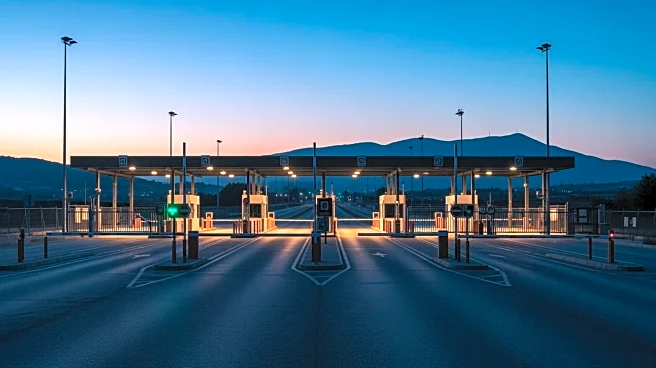
The border between Venezuela and Colombia has become unusually quiet following the arrest of Venezuelan President Nicolás Maduro by U.S. forces on January 3. The bustling commercial district in the Colombian town of Cúcuta, a key crossing point, has seen
a significant decrease in activity. Venezuelans are now in a state of uncertainty, awaiting developments in their country after the U.S. operation in Venezuela's capital.
Why It's Important?
The arrest of President Maduro by the U.S. marks a significant escalation in the ongoing political crisis in Venezuela. This development could have far-reaching implications for regional stability and U.S.-Venezuela relations. The quiet at the border reflects the uncertainty and potential for increased tensions in the region. The situation may also impact Colombia, which has been a key player in addressing the Venezuelan crisis, particularly in terms of managing the influx of Venezuelan migrants.
What's Next?
The international community will be closely watching the situation in Venezuela following Maduro's arrest. Potential responses from Venezuelan political and military leaders could shape the country's immediate future. The U.S. may face diplomatic challenges in justifying its actions and managing the fallout from this operation. Regional actors, including Colombia, will likely play a crucial role in mediating the situation and addressing humanitarian concerns.