



What's Happening?
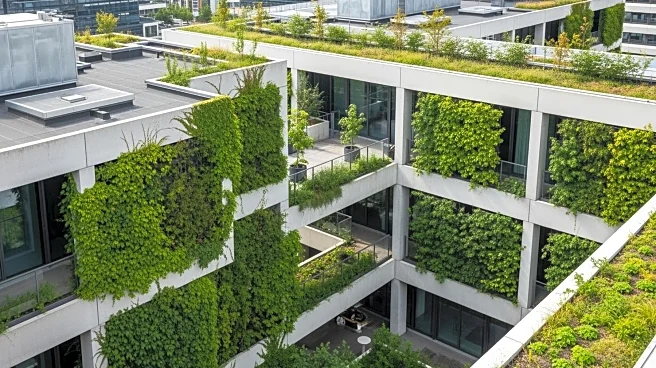
A study published in Nature explores the potential of vertical gardens and urban agroforestry in peri-urban areas. The research emphasizes the role of participatory mapping in developing accessible parks and gardens, which can provide fresh food, reduce
carbon footprints, and foster circular economies. The study involved workshops with local stakeholders, including community members and municipal representatives, to assess the current use and potential of greenspaces for food production. Challenges such as lack of plant material, water supply issues, and livestock predation were identified as barriers to successful food production. The study suggests that developing more accessible parks and gardens closer to residential areas could enhance food security and environmental quality.
Why It's Important?
The findings of this study are significant as they highlight the potential of urban and peri-urban agriculture to contribute to food security and environmental sustainability. By utilizing greenspaces for food production, communities can reduce their reliance on external food sources and decrease their carbon footprint. The participatory approach ensures that the development of these spaces aligns with local needs and perceptions, potentially leading to more successful and sustainable projects. This approach could serve as a model for other urban areas looking to enhance their food systems and environmental resilience.
What's Next?
The study suggests that future efforts should focus on addressing the identified barriers to food production, such as improving water supply and providing technical training for local communities. Additionally, there is a need for policies that support the development of urban agroforestry and the integration of indigenous species into food production systems. By fostering collaboration between local communities, governments, and private sectors, these initiatives could lead to more resilient and sustainable urban food systems.
Beyond the Headlines
The study also touches on the cultural and social dimensions of urban agriculture, highlighting the importance of greenspaces in fostering community engagement and intergenerational knowledge transfer. By integrating indigenous species and traditional practices, urban agroforestry can also contribute to preserving cultural heritage and biodiversity. These aspects underscore the multifaceted benefits of urban agriculture beyond just food production.