



What's Happening?
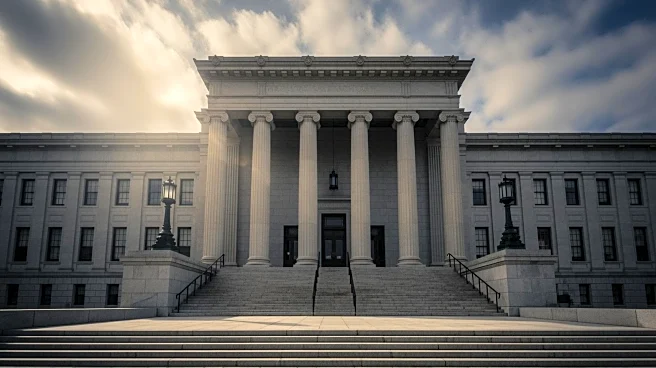
The Supreme Court has rejected the Trump administration's plan to deploy National Guard troops in Illinois, following strong objections from local officials. The administration argued that the troops were necessary to protect federal agents involved in immigration
enforcement in the Chicago area. The court's decision, which was not signed, turned away an emergency request from the administration, marking a rare defeat for President Trump at the Supreme Court. The decision saw a split among the court's conservative justices, with three joining the three liberal justices in the majority. The ruling is expected to influence similar challenges to National Guard deployments in other cities, setting new limits on the president's authority to deploy troops under federal law.
Why It's Important?
This ruling is significant as it underscores the limitations of presidential power in deploying military forces domestically, particularly in situations that do not meet the criteria for extreme circumstances. The decision could have broader implications for how federal authority is exercised in local jurisdictions, especially concerning immigration enforcement. It also highlights the ongoing tension between federal and state governments over the use of military resources. The ruling may embolden other states to challenge similar federal actions, potentially leading to a reevaluation of the balance of power between state and federal authorities.
What's Next?
The Supreme Court's decision may prompt further legal challenges from other states regarding federal troop deployments. Local governments and civil rights organizations are likely to monitor the situation closely, potentially leading to additional lawsuits if similar federal actions are attempted elsewhere. The ruling could also influence future legislative efforts to clarify the conditions under which the president can deploy military forces domestically. Political leaders and policymakers may need to address these issues to prevent further conflicts between federal and state authorities.