





What's Happening?
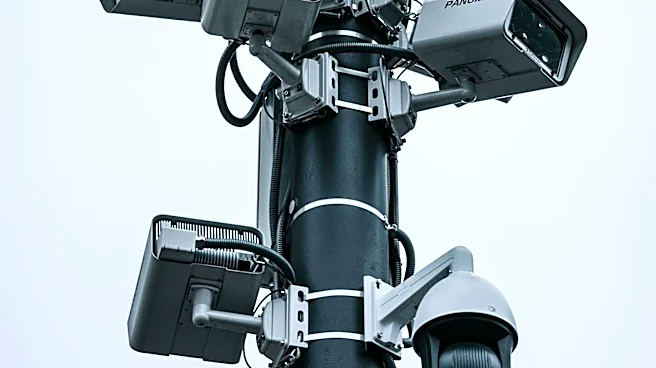
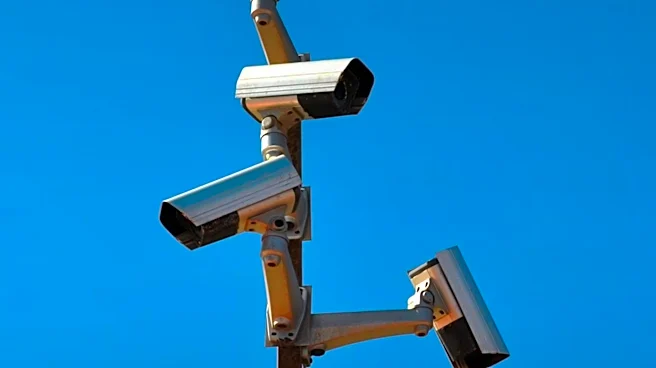
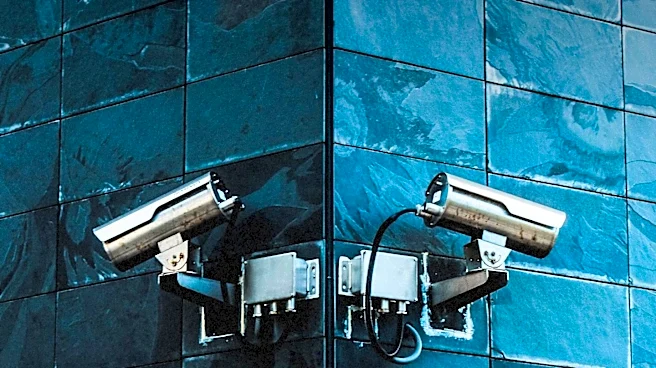
The Jonesboro Police Department (JPD) is actively investigating the destruction of four Flock safety cameras by gunfire last weekend. According to incident reports obtained from JPD, the first attack was discovered around 1:45 a.m. on September 5, in the area
of Christian Valley Drive, Mt. Carmel Road, and West Lawson Road. Additional cameras were found damaged at three other intersections: Lawson Road and South Culberhouse Street; West Matthews and West Washington Avenues; and Woodsprings Road and Southwest Drive. JPD Public Information Official Sally Smith confirmed on September 14 that the cameras were struck by gunfire and noted that there were no calls for service in those areas at the time of the attacks. The JPD has identified persons of interest and is working to establish their identities as the investigation progresses toward filing charges. This incident follows similar attacks in Brookland, another city in Craighead County, where four of its 14 Flock cameras were also targeted and damaged by gunfire or torn down. JPD is coordinating directly with the Brookland Police Department to track down the responsible parties.
Why It's Important?
The destruction of these Flock safety cameras in Jonesboro highlights a growing tension surrounding automated license plate reading technology in Arkansas. While Jonesboro is committed to expanding its 55-camera network, other cities in the state have suspended or canceled their Flock contracts due to significant resident pushback over data retention and mass surveillance concerns. The deliberate targeting of these cameras by gunfire suggests a strong opposition to their presence, potentially stemming from privacy concerns or a desire to evade law enforcement surveillance. This situation underscores the ongoing debate between public safety measures and individual privacy rights, with communities divided on the acceptable level of technological surveillance. The coordinated nature of the attacks, with similar incidents reported in nearby Brookland, suggests a broader, organized effort to disrupt these systems, posing a challenge to local law enforcement's ability to implement and maintain such technologies.
What's Next?
The Jonesboro Police Department will continue its investigation to identify and apprehend the persons responsible for the destruction of the Flock safety cameras. JPD Public Information Official Sally Smith stated that investigators currently have persons of interest and are working to establish their identities before filing charges. The department, supported by Police Chief Rick Elliott, remains fully invested in the Flock technology despite the vandalism and statewide pullback by other cities. This commitment suggests that Jonesboro will likely proceed with the deployment and maintenance of its 55-camera network. The ongoing coordination with the Brookland Police Department indicates a joint effort to address these incidents, potentially leading to arrests and a clearer understanding of the motives behind the attacks. The outcome of this investigation could influence future decisions regarding the adoption and security of surveillance technologies in other Arkansas communities.
Beyond the Headlines
The incidents in Jonesboro and Brookland reflect a deeper societal conflict regarding the balance between security and privacy in the digital age. The deliberate destruction of surveillance equipment by gunfire moves beyond simple protest, indicating a more aggressive form of resistance to perceived government overreach or mass surveillance. This could set a dangerous precedent, encouraging further acts of vandalism or violence against public infrastructure if grievances are not addressed through conventional channels. The debate surrounding Flock cameras, specifically concerns about data retention and mass surveillance, touches upon fundamental civil liberties and the potential for misuse of collected data. The continued deployment of these cameras by Jonesboro, despite widespread public and municipal opposition elsewhere, suggests a firm stance on utilizing technology for crime prevention, potentially exacerbating tensions with segments of the population who view such systems as intrusive. This situation could lead to increased public discourse and legal challenges regarding the ethical implications and regulatory frameworks for surveillance technologies.