




What's Happening?
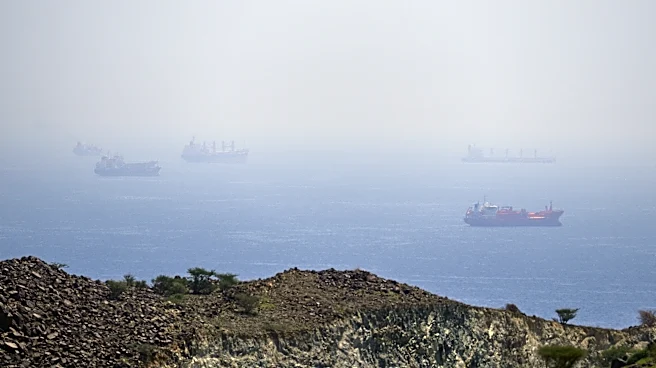
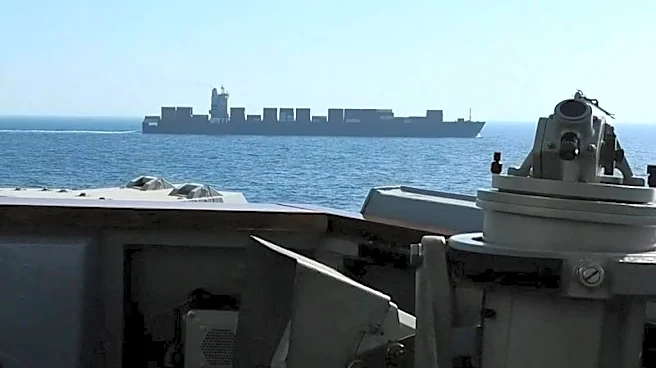
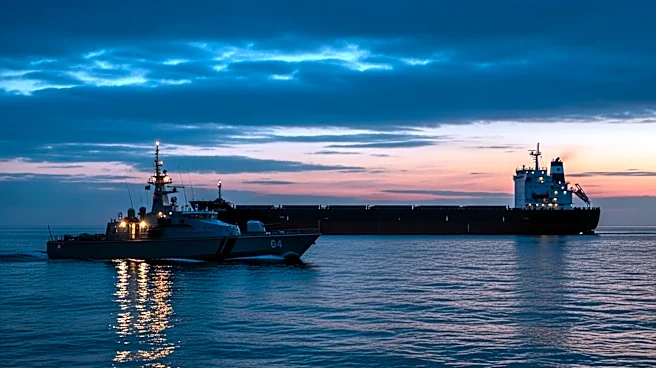
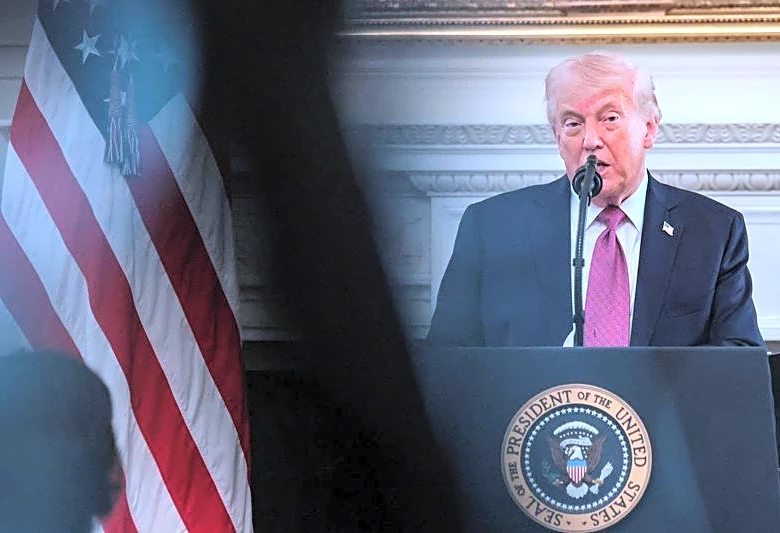
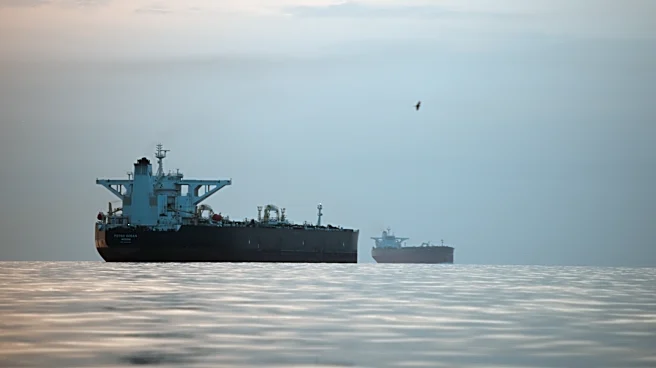
Iran has attacked three ships near the Strait of Hormuz, a critical waterway for global oil transport, intensifying an ongoing energy crisis. This incident follows a recent announcement by President Trump to extend a ceasefire with Iran. The Iranian Revolutionary
Guard seized two ships and attacked a third, citing retaliation against a U.S. naval blockade and the seizure of an Iranian vessel. The attacks have resumed after a lull since mid-March, with Iran previously controlling the strait and imposing taxes on oil shipments. The situation remains volatile, with conflicting statements from U.S. and Iranian officials about the strait's status.
Why It's Important?
The Strait of Hormuz is a vital channel for global oil supply, with a significant portion of the world's oil passing through it. The recent attacks have heightened fears of further disruptions in oil transport, potentially leading to increased global oil prices and economic instability. The U.S. blockade aims to curb Iranian oil exports, but some shipments continue to reach China, complicating international relations. The ongoing tensions underscore the strategic importance of the strait and the potential for broader geopolitical conflicts affecting global energy markets.
What's Next?
The situation in the Strait of Hormuz remains uncertain, with potential for further military confrontations or diplomatic negotiations. Ship owners and insurers are likely to remain cautious, requiring concrete assurances of safety before resuming normal operations. The U.S. and Iran may engage in further talks to de-escalate tensions, but the underlying issues, including Iran's nuclear program, remain unresolved. The international community will closely monitor developments, as any escalation could have significant implications for global energy security and economic stability.