





What's Happening?
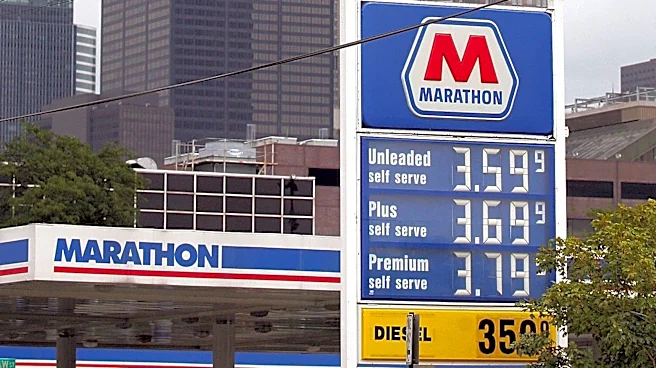
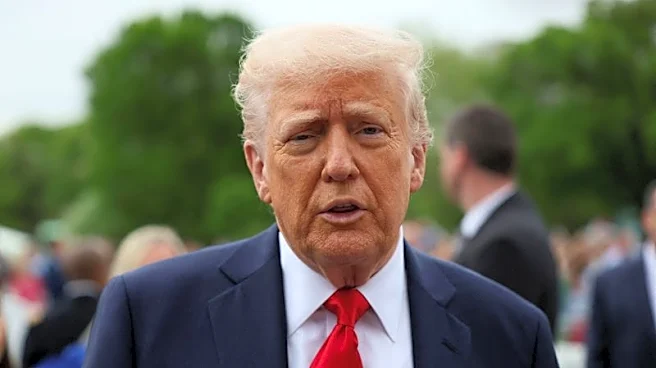
President Trump has expressed dissatisfaction with the current U.S. gas prices, which average $3.92 per gallon, despite a recent decrease from $4.51 a month earlier. He believes prices should be around $2.25 per gallon, a level not seen since early 2021.
This comes after the U.S. and Iran agreed to reopen the Strait of Hormuz, a critical oil transit route. The closure of this strait had previously led to a spike in global oil prices. Trump has accused major oil companies like ExxonMobil, Chevron, Shell, and BP of price gouging and has directed the Department of Justice to investigate. However, experts like Denton Cinquegrana from the Oil Price Information Service suggest that such investigations rarely find evidence of price gouging and view the move as a strategy to lower prices before the midterm elections.
Why It's Important?
The issue of gas prices is significant as it affects the cost of living for Americans and has broader economic implications. High gas prices can lead to increased costs for goods and services, impacting inflation and consumer spending. The reopening of the Strait of Hormuz is a critical development, as it could stabilize global oil supplies and potentially lower prices. However, the summer season typically sees higher gas prices due to increased demand and the production of more expensive summer-grade gasoline. The outcome of the DOJ investigation could influence public perception and political dynamics, especially with upcoming elections.
What's Next?
Gas prices are expected to continue declining, with experts predicting a national average of $3.70 per gallon by July 4. However, prices are unlikely to reach the $2.25 level suggested by Trump due to seasonal factors and market dynamics. Retailers may also face challenges in adjusting prices quickly due to existing inventory costs. The DOJ investigation into alleged price gouging by oil companies will proceed, but its impact remains uncertain. The situation will be closely monitored by political leaders, businesses, and consumers, as it could influence economic policies and voter sentiment.