








What's Happening?
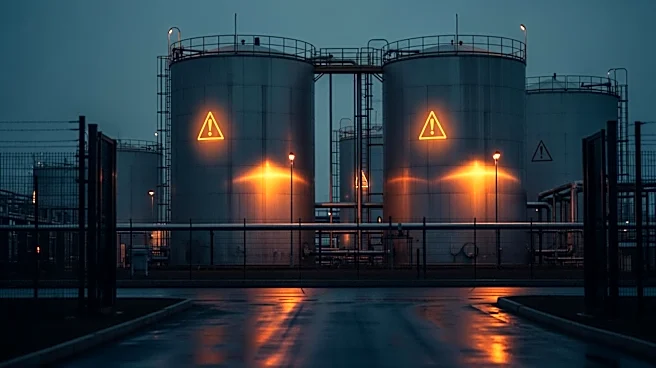
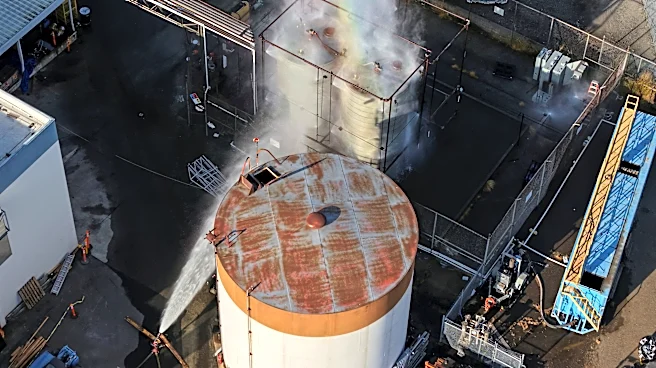
The FBI has initiated an investigation into GKN Aerospace Transparency Systems in Garden Grove, California, after a chemical tank incident in May led to the evacuation of over 50,000 residents. The tank, containing 6,000 to 7,000 gallons of methyl methacrylate,
a chemical used in manufacturing plastics, threatened to explode due to a crack that released pressure. This incident raised concerns about a potential large-scale public safety emergency. The FBI's investigation involves seizing documents related to the storage, use, and disposal of the chemical, as well as examining cooling equipment. GKN Aerospace, a division of the UK-based Melrose Industries, is cooperating with authorities. The Orange County Health Care Agency had planned to remove the neutralized chemical but postponed the operation due to resource constraints.
Why It's Important?
This investigation highlights significant safety and regulatory concerns within the chemical manufacturing industry, particularly regarding the storage and handling of hazardous materials. The incident underscores the potential risks to public safety and the environment when safety protocols are not adequately followed. The evacuation of a large number of residents and the subsequent legal actions against GKN Aerospace indicate the serious implications for companies in terms of liability and public trust. The outcome of the FBI investigation could lead to stricter regulations and enforcement actions, impacting how chemical companies operate and manage their facilities.
What's Next?
The FBI will continue its investigation, focusing on potential violations of safety measures designed to prevent hazardous substance releases. The agency may examine digital devices and other records to determine the causes and accountability for the incident. Meanwhile, residents affected by the evacuation have filed class action lawsuits against GKN Aerospace, seeking compensation for property value loss and other damages. The resolution of these legal actions and the FBI's findings could influence future regulatory policies and industry practices regarding chemical safety.