


What's Happening?
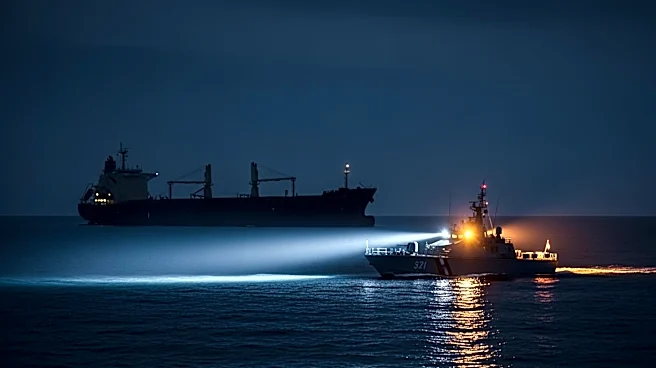
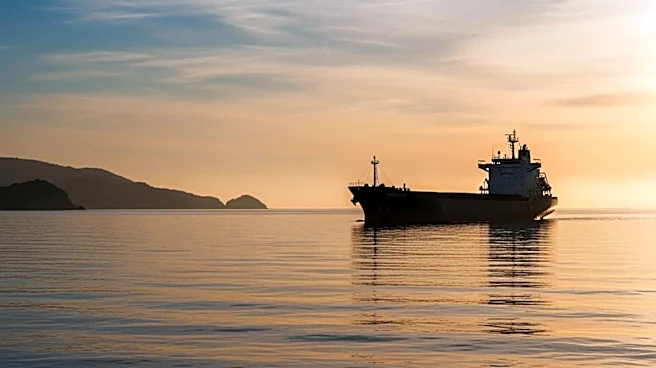
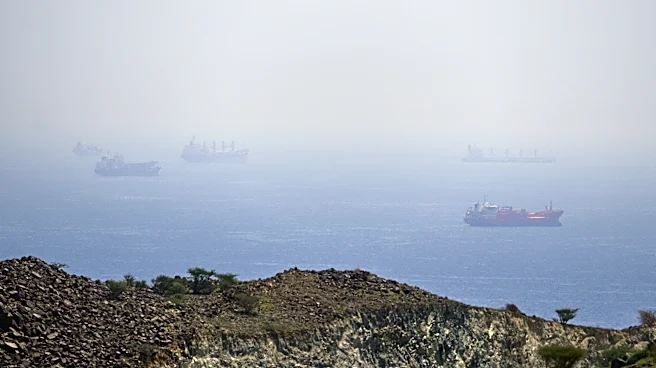
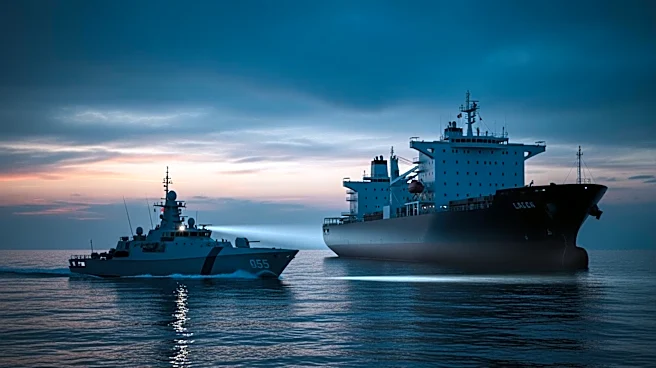
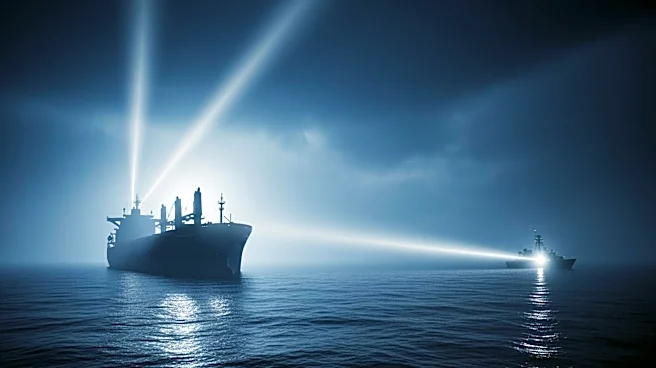
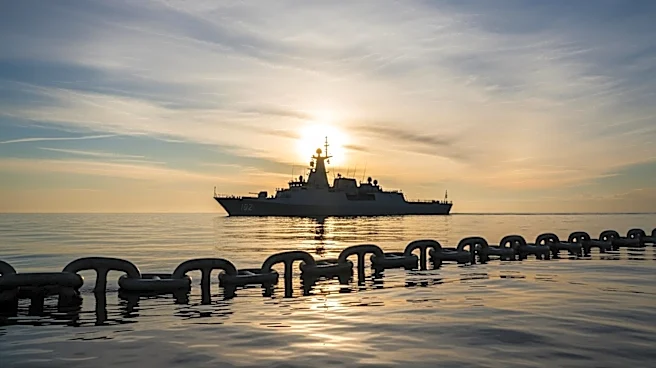
The U.S. Navy has seized an Iranian-flagged cargo ship in the Gulf of Oman, marking a significant escalation in tensions between the United States and Iran. This action follows an incident where Iran fired upon commercial vessels attempting to transit
the Strait of Hormuz. The U.S. has been enforcing a naval blockade on ships entering and exiting Iranian ports, which Iran views as a violation of a previously agreed ceasefire. President Trump has issued a stern warning to Iran, threatening to target critical infrastructure if Tehran does not comply with U.S. demands to end the conflict. The situation has led to the cancellation of expected negotiations between the two nations, which were to be held in Islamabad.
Why It's Important?
This development is critical as it heightens geopolitical tensions in a region that is vital for global oil supply. The Strait of Hormuz is a strategic chokepoint through which a significant portion of the world's oil passes. Any disruption in this area can lead to increased oil prices and market volatility, affecting global economies. The U.S. blockade and Iran's response could further destabilize the region, impacting international relations and potentially leading to broader military conflicts. The situation also poses a challenge for diplomatic efforts aimed at de-escalating tensions and finding a peaceful resolution.
What's Next?
The immediate future may see increased military presence and activity in the region as both nations assert their positions. The international community, including allies of both the U.S. and Iran, may call for restraint and renewed diplomatic efforts to prevent further escalation. Economic sanctions and diplomatic negotiations could be leveraged as tools to bring both parties back to the negotiating table. Monitoring the situation closely will be crucial for stakeholders in the energy sector and global markets, as any further conflict could have widespread economic repercussions.