




What's Happening?
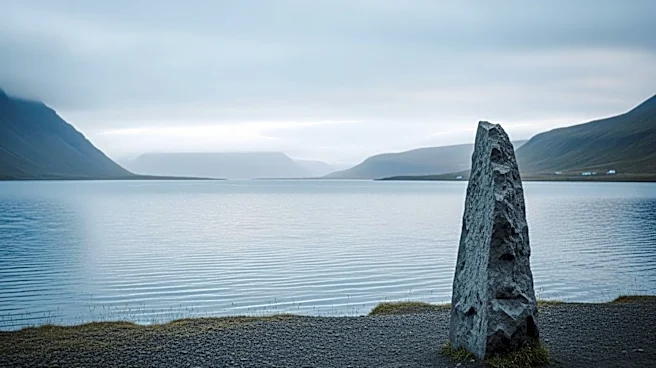
Iceland's economic growth is projected to remain modest, with annual growth rates between 1.6% and 1.8% through 2028, according to a forecast by Landsbankinn. The growth is expected to be driven primarily by service exports, while domestic demand remains
subdued due to high interest rates. Inflation is projected to reach 4.8% this year, with the policy interest rate potentially rising to 8.25%. The labor market shows signs of weakening, with rising unemployment and reduced demand for workers.
Why It's Important?
The forecast indicates a prolonged period of moderate economic growth for Iceland, which could impact various sectors, including employment and consumer spending. The reliance on service exports highlights the importance of international trade and economic partnerships for Iceland's economy. High interest rates may deter investment and expansion, affecting business growth and job creation. The economic outlook underscores the need for strategic planning and policy adjustments to address potential challenges and support sustainable growth.
What's Next?
Iceland's government and businesses will need to adapt to the forecasted economic conditions, focusing on enhancing competitiveness and diversifying export markets. Policymakers may consider measures to stimulate domestic demand and support employment, balancing inflation control with economic growth objectives. The evolving geopolitical landscape, including the Middle East conflict, could influence global economic conditions, requiring Iceland to remain vigilant and responsive to external factors. Stakeholders will continue to monitor economic indicators and adjust strategies accordingly.