







What's Happening?
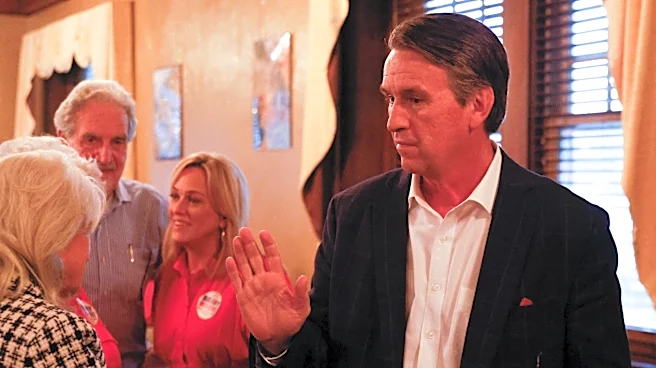
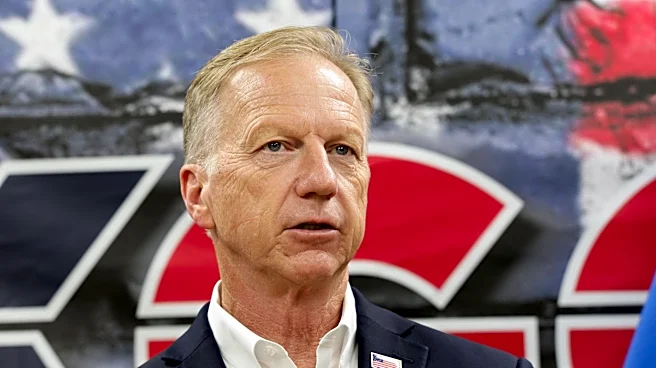
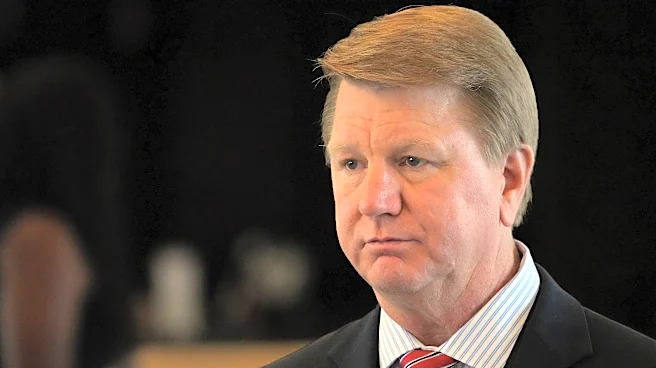
In a recent debate, two Republican congressmen, Andy Biggs and David Schweikert, presented their cases as the best candidates to challenge Democratic Governor Katie Hobbs in Arizona. Biggs, endorsed by President Trump, emphasized his ability to appeal
across party lines and his experience as a state executive. He highlighted his legislative history, including his opposition to Medicaid expansion and support for school choice. Schweikert, known for his focus on government finances, argued that his experience in bringing new business to Arizona makes him the ideal candidate. He criticized Arizona's affordability issues and pledged to recruit businesses and promote wage growth. The debate also touched on healthcare subsidies, with Schweikert expressing skepticism about economic subsidization and Biggs advocating for health savings accounts.
Why It's Important?
The outcome of this primary is significant as it will determine the Republican challenger to Governor Hobbs, who is running unopposed in her primary. The candidates' differing approaches highlight key issues such as economic policy, healthcare, and state governance, which are crucial to Arizona voters. Biggs' alignment with President Trump could mobilize a strong Republican base, while Schweikert's focus on fiscal responsibility may appeal to moderate voters concerned about state and national debt. The election could influence Arizona's political landscape, impacting policies on business incentives, healthcare, and economic growth.
What's Next?
The Republican primary is scheduled for July 21, where the winner will face Governor Hobbs in the general election. Both candidates are likely to intensify their campaigns, focusing on key voter concerns such as affordability and economic development. The primary results will set the stage for a broader debate on Arizona's future direction, with potential implications for national politics given the state's strategic importance. Stakeholders, including business leaders and political analysts, will closely monitor the candidates' positions and voter responses.