





What's Happening?
Eunomia, in collaboration with Poseidon Aquatic Resource Management Europe, has completed a study for the Department of the Environment, Climate, and Communications in the Republic of Ireland. The study analyzed the market for fishing gear containing
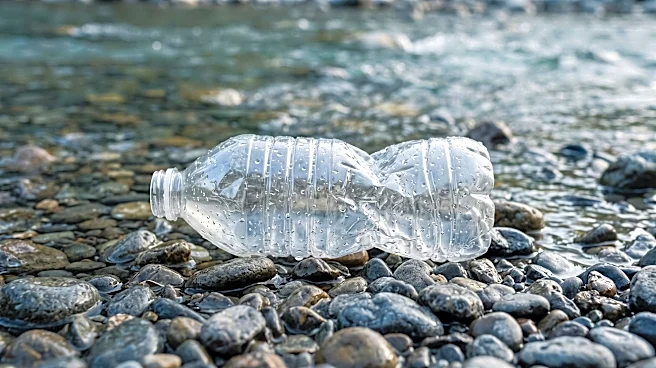
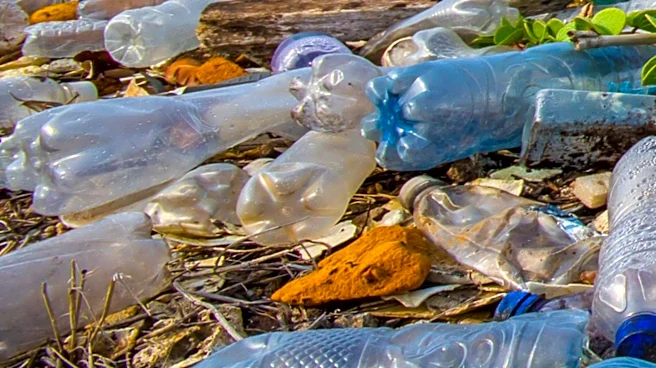
plastic in Ireland and identified suitable Extended Producer Responsibility (EPR) models to comply with the EU Single-Use Plastics Directive (SUPD). Fishing gear, along with the ten most common single-use plastic items found on European beaches, constitutes 70% of all marine litter in the EU, posing significant risks to marine ecosystems, biodiversity, human health, and economic activities. Under both Irish and EU law, producers of plastic-containing fishing equipment will be required to participate in an EPR scheme from 2025. The project team engaged with government and industry stakeholders to conduct market analysis on the quantities and types of gear in the Irish market, their end-of-life treatment, and to assess potential EPR models.
Why It's Important?
This study is crucial for Ireland's compliance with the EU Single-Use Plastics Directive, aiming to mitigate the severe environmental and economic impacts of marine plastic pollution. By identifying a suitable EPR model, Ireland can establish a system where producers bear responsibility for the end-of-life management of their products, promoting more sustainable practices and reducing marine litter. The implementation of an effective EPR scheme will help protect marine ecosystems, safeguard biodiversity, and reduce risks to human health. Furthermore, it will support economic activities such as fishing, tourism, and shipping, which are negatively affected by plastic pollution. The study's assessment of economic, environmental, and social impacts ensures that the proposed model is comprehensive and considers various stakeholder interests, providing a roadmap for a phased implementation that avoids excessive burdens on producers.
What's Next?
The study provides a roadmap for the implementation of the identified EPR model over three phases. This phased approach is designed to ensure that measures build upon one another and do not unduly burden producers. From 2025, producers of plastic-containing fishing gear in Ireland will be legally required to participate in an EPR scheme. The Department of the Environment, Climate, and Communications will likely proceed with the implementation of the recommended EPR model, working with industry stakeholders to establish the necessary infrastructure and operational frameworks. This will involve setting up collection, sorting, and recycling systems for end-of-life fishing gear, as well as monitoring and enforcement mechanisms to ensure compliance and effectiveness of the scheme.
Beyond the Headlines
The initiative in Ireland reflects a broader global trend towards extended producer responsibility as a key strategy for tackling plastic pollution. This approach shifts the financial and operational burden of waste management from municipalities and taxpayers to the producers of goods, incentivizing them to design more sustainable products and packaging. The focus on fishing gear highlights a specific and significant source of marine plastic pollution, often overlooked in broader discussions about single-use plastics. The success of Ireland's EPR model could serve as a blueprint for other nations and regions grappling with similar challenges, particularly in sectors with specialized waste streams. It also underscores the increasing regulatory pressure on industries to adopt circular economy principles and take greater accountability for their environmental footprint.