



What's Happening?
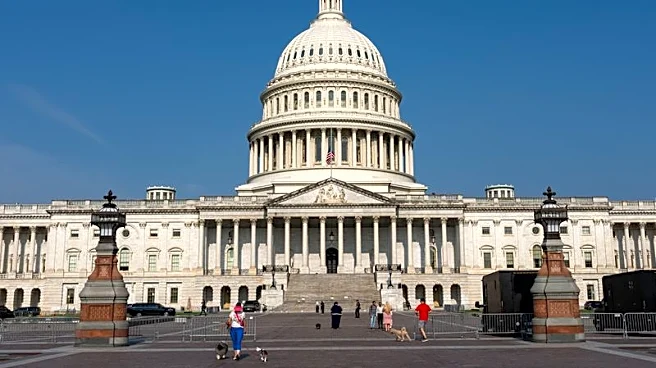
A new provision in the upcoming fiscal year's defense spending bill could make hazing a specific charge under the Uniform Code of Military Justice (UCMJ). The proposal, included in the Senate version of the National Defense Authorization Act (NDAA) for fiscal year 2027,
aims to address hazing by potentially adding it as a standalone offense or a modifier to other charges. This move follows incidents involving Army Pvt. Danny Chen and Marine Lance Cpl. Harry Lew, who both committed suicide after being subjected to hazing. The proposal seeks to provide clearer guidelines and definitions for hazing, making it easier to prosecute such cases.
Why It's Important?
The inclusion of hazing as a specific charge under military law represents a significant step towards addressing and preventing abusive practices within the military. By providing clear definitions and guidelines, the proposal aims to protect service members from harmful behaviors and improve the overall culture within the armed forces. This change could lead to increased accountability and a reduction in hazing incidents, ultimately enhancing the well-being and morale of military personnel. The proposal also reflects broader societal efforts to address bullying and harassment in various institutions.
What's Next?
The Senate and House are currently working on separate versions of the NDAA, and a final negotiated version will eventually be voted on before becoming law. If the proposal is included in the final bill, the Department of Defense will need to implement the changes and provide training to ensure compliance. Military leaders may also need to review and update existing policies and procedures related to hazing and harassment. The outcome of this legislative process will be closely watched by military personnel, advocacy groups, and policymakers.