



What's Happening?
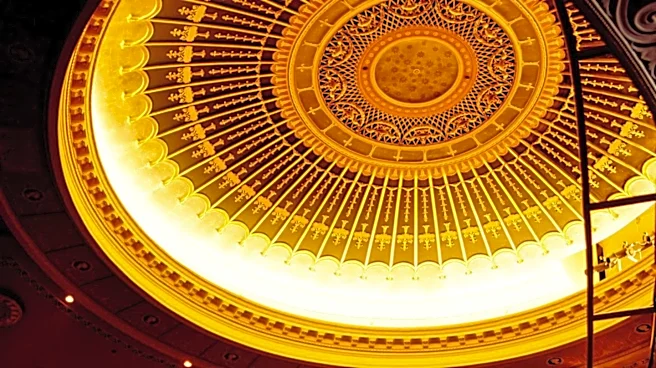
U.S. Representative André Carson (D-Indianapolis) has played a key role in securing $850,000 in federal Community Project Funding for the rehabilitation of the Rivoli Theatre's exterior in Indianapolis. The Rivoli Theatre, originally opened by Universal
Studios in 1927, was the first cinema in Indiana to show movies with sound and has a rich history, including hosting concerts by notable artists. After changing ownership multiple times and facing closure in 1992, the theater was placed on the National Register of Historic Places in 2004. Its ownership transferred to INSPIRE 10th Street LLC in 2018, a real estate partnership focused on community revitalization. The federal funding will support critical exterior improvements, such as repairing and replacing windows, fixing downspouts and gutters, adding clay tiles to its roof, and installing a historic storefront door. An event for the unveiling of the theater’s new marquee is scheduled for October 24, offering the public a chance to tour the space and learn more about the ongoing renovation efforts.
Why It's Important?
The securing of federal funding for the Rivoli Theatre's renovation is important for several reasons, primarily its impact on community development and cultural preservation in Indianapolis. The restoration of historic venues like the Rivoli Theatre contributes significantly to improving the quality of life for residents and visitors by fostering a vibrant arts and culture scene. This initiative aligns with broader goals of urban revitalization, particularly along East 10th Street, by preserving architectural heritage and creating spaces for community engagement. The project demonstrates how federal funding can be leveraged to support local cultural institutions, which often serve as anchors for neighborhood identity and economic activity. For the local community, the theater's comeback signifies a renewed investment in their area, potentially attracting more visitors and businesses, and providing a cultural hub that was once a 'crown jewel' of the near east side. This effort highlights the role of elected officials in directing resources towards projects that have tangible benefits for their constituents beyond immediate economic metrics.
What's Next?
The immediate next step for the Rivoli Theatre is the public unveiling of its new marquee on October 24, an event designed to engage the community and showcase the progress of the renovation. Following this, the secured federal funding will be utilized to complete the planned exterior rehabilitation, including the repair and replacement of windows, gutters, roof tiles, and the installation of a historic storefront door. The broader goal is to continue the restoration of the theater, which is part of a larger initiative to enhance the quality of life for residents and visitors along East 10th Street through a focus on the arts. Future phases of the project will likely involve interior renovations and the development of programming to bring the 1,500-seat venue back to its full operational capacity as a cultural and entertainment hub. Continued community engagement and potential additional fundraising efforts will be crucial for the long-term success and sustainability of the Rivoli Theatre's revival.
Beyond the Headlines
The restoration of the Rivoli Theatre extends beyond a simple building renovation; it represents a deeper commitment to cultural heritage and community identity. Historically, the Rivoli was a significant landmark, being the first cinema in Indiana to show movies with sound and a venue for various musical acts. Its decline and subsequent efforts for revival reflect the broader challenges and opportunities in urban preservation and revitalization. The project underscores the ethical imperative to protect and repurpose historic structures, preventing their loss and maintaining a tangible link to the past. Furthermore, the focus on arts and culture as a driver for improving quality of life highlights a shift in urban planning, recognizing that cultural institutions are not just amenities but essential components of a thriving community. This initiative could serve as a model for other cities looking to breathe new life into their historic venues, demonstrating the power of federal support combined with local partnerships to achieve significant cultural and social impact.