


What's Happening?
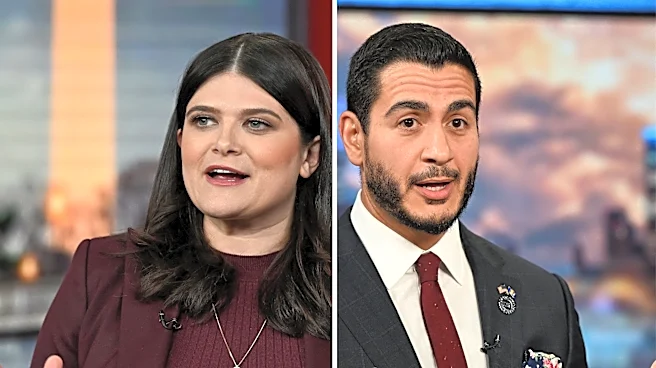
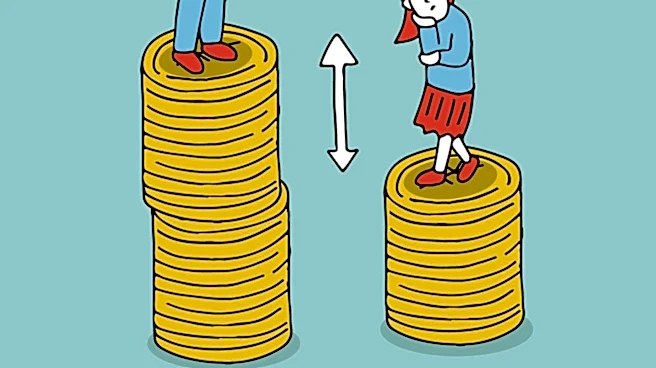
In Detroit, a group of progressive religious leaders gathered to discuss the intersection of faith and politics, highlighting how religious beliefs inform their progressive views on economic inequality. Abdul El-Sayed, a Democratic candidate for the U.S.
Senate in Michigan, emphasized the role of his Muslim faith in advocating for policies like 'Medicare for All.' The meeting comes amid a broader trend of progressive Democrats using religious justifications to support their economic policies. This approach contrasts with traditional conservative narratives that often associate progressive ideologies with atheism.
Why It's Important?
The integration of religious values into progressive political platforms represents a shift in how faith is used to justify policy positions. This approach challenges the conventional association of religion with conservative politics, potentially broadening the appeal of progressive policies to religious voters. As economic inequality becomes a central issue in political discourse, the use of religious narratives could influence voter perceptions and electoral outcomes. The involvement of faith leaders in political advocacy underscores the potential for religion to shape public policy debates.
What's Next?
As the midterm elections approach, the role of religion in progressive politics is likely to gain prominence. Candidates like El-Sayed may continue to leverage their faith to connect with voters and differentiate themselves from opponents. The success of this strategy could influence future campaigns and the broader political landscape. Additionally, the dialogue between religious and political leaders may lead to new alliances and initiatives aimed at addressing economic inequality.