









What's Happening?
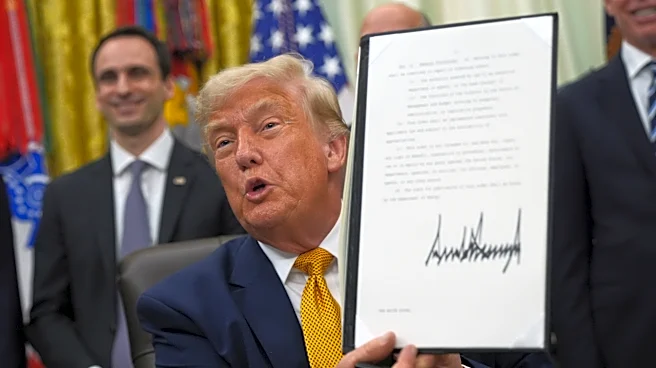
Congress is currently evaluating the outcomes of President Trump's nearly four-month conflict with Iran, which was never formally authorized by Congress. The war has resulted in significant loss of life, substantial financial costs, and a shift in Middle
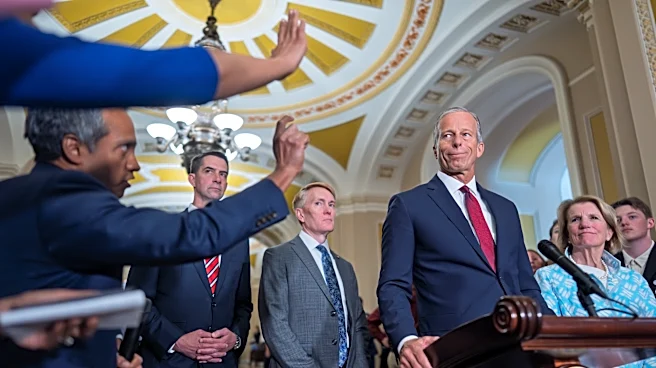
Eastern political dynamics. The deal struck by President Trump to end the conflict has been met with criticism from both sides of the political aisle. Delaware Senator Chris Coons, a Democrat, described the deal as a 'pathetic failure,' citing a lack of strategic vision and understanding of regional dynamics. Some Republicans, like Senator Lisa Murkowski, have also expressed skepticism about the leverage gained from the deal. However, others, such as Senator Ron Johnson, support Trump's actions, claiming they have made the U.S. safer. The conflict's conclusion leaves Congress with the task of explaining the war to the public, replenishing military resources, and ensuring the ceasefire holds while addressing Iran's nuclear ambitions.
Why It's Important?
The end of the conflict with Iran has significant implications for U.S. foreign policy and national security. The war's financial burden, with billions spent, raises questions about the allocation of resources and the effectiveness of military interventions. The political fallout may influence future U.S. engagements in the Middle East and impact domestic political dynamics, especially as Congress debates defense spending and reconstruction efforts. The proposed $300-billion fund for Iran's reconstruction is contentious, reminiscent of past criticisms of financial dealings with Iran. The situation underscores the complexities of international diplomacy and the challenges of achieving long-term peace and stability in volatile regions.
What's Next?
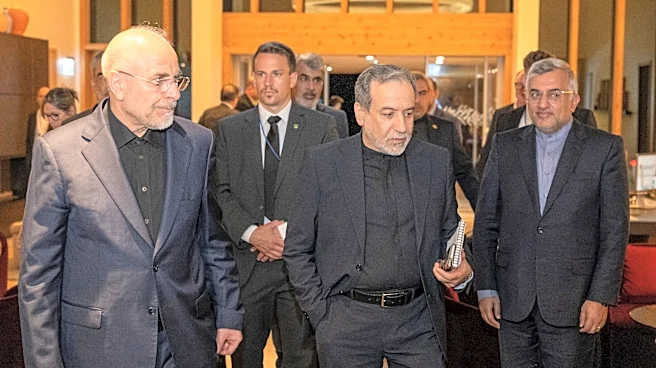
As the conflict concludes, President Trump has initiated 60-day talks with Iran to address its nuclear program, with discussions taking place in Switzerland. Congress is tasked with overseeing the implementation of the ceasefire and ensuring that the terms of the agreement are met. Lawmakers are also considering a significant increase in defense spending, with a proposed $1.5 trillion budget for the Defense Department. This includes addressing the military's depleted resources and setting conditions for future engagements. The outcome of these talks and budget decisions will shape U.S. foreign policy and military strategy in the coming years.