






What's Happening?
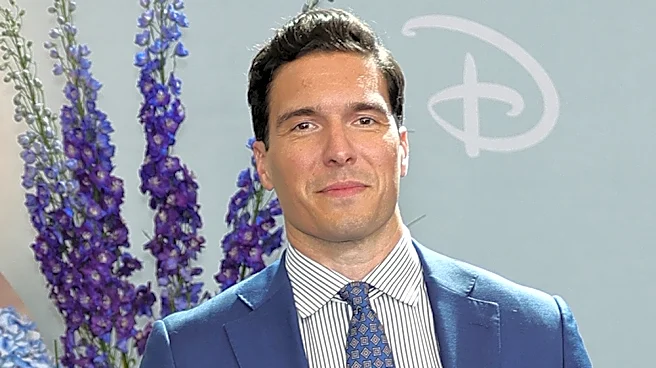
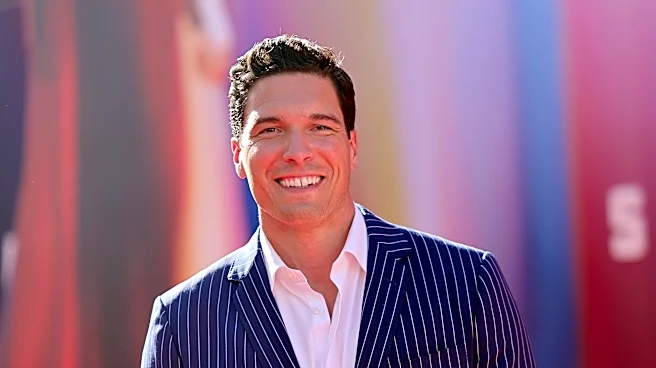
'Good Morning America' correspondent Will Reeve openly discussed his battle with testicular cancer, revealing he is now cancer-free after undergoing multiple surgeries and chemotherapy. Reeve, 34, shared his personal journey on 'GMA' to help destigmatize
the disease. During the segment, he interviewed three other men at various stages of their own testicular cancer battles: Kevin Spies (diagnosed at 31, now 38), Dr. Freeman McCluskey (diagnosed at 28, now 35), and Will Sette (diagnosed at 14, now 19). Reeve expressed his gratitude to his loved ones, including his wife Amanda Dubin, for their support. He also recounted how he nearly missed a 'tender lump' on his testicle in April, initially dismissing it before his wife urged him to get an ultrasound, which confirmed the mass.
Why It's Important?
Will Reeve's public disclosure of his testicular cancer diagnosis and recovery is significant for several reasons. Firstly, it brings much-needed visibility to a disease that often carries a stigma, particularly among young men. By sharing his story and interviewing others, Reeve is actively working to normalize conversations around men's health and encourage early detection. Testicular cancer is highly curable when caught early, making awareness campaigns crucial. Secondly, his candidness about worrying about being a 'burden' to his loved ones sheds light on the emotional and psychological toll of cancer, not just on patients but also on their support systems. This humanizes the experience and can resonate with many who face similar health challenges. Lastly, as a public figure, Reeve's advocacy can reach a broad audience, potentially leading to increased self-examinations, earlier doctor visits, and ultimately, improved health outcomes for men across the U.S.
What's Next?
Following Will Reeve's public announcement, it is anticipated that there will be increased awareness and discussion surrounding testicular cancer. His efforts to destigmatize the disease may lead to more men seeking medical advice for symptoms they might otherwise ignore. Medical organizations and public health campaigns could leverage his story to promote early detection and regular self-examinations. There might also be a push for more open conversations about men's health in general, encouraging a culture where discussing health concerns is normalized rather than stigmatized. For Reeve himself, his role as an advocate is likely to continue, potentially involving further segments on 'GMA' or other platforms, focusing on cancer survivorship, mental health during illness, and the importance of support networks. This could also inspire other public figures to share their health journeys, further contributing to public health education.
Beyond the Headlines
Will Reeve's personal narrative extends beyond a simple health update; it touches upon deeper societal issues concerning masculinity, vulnerability, and the healthcare system. The initial tendency for young, healthy men to dismiss symptoms, as Reeve himself admitted, highlights a cultural barrier to men's health. There's often a pressure for men to appear strong and resilient, which can deter them from seeking medical attention. His wife's role in urging him to get checked also underscores the critical importance of support systems and the influence of loved ones in healthcare decisions. Furthermore, the segment's discussion about sperm banking for young cancer patients brings to light the often-overlooked aspects of fertility preservation, which is a significant concern for many facing cancer treatments. This broader conversation can lead to improved patient education and support services, ensuring that men are not only treated for cancer but also supported in their long-term quality of life.