



What's Happening?
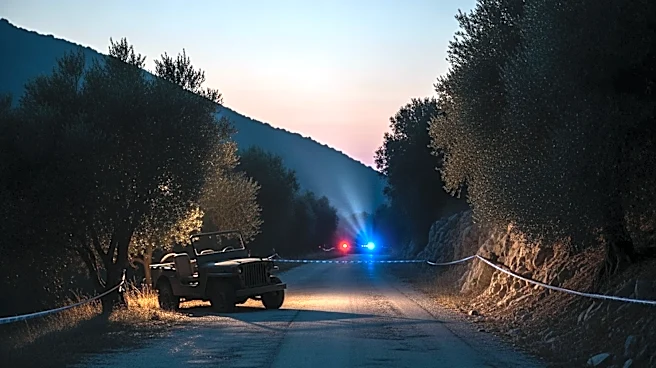
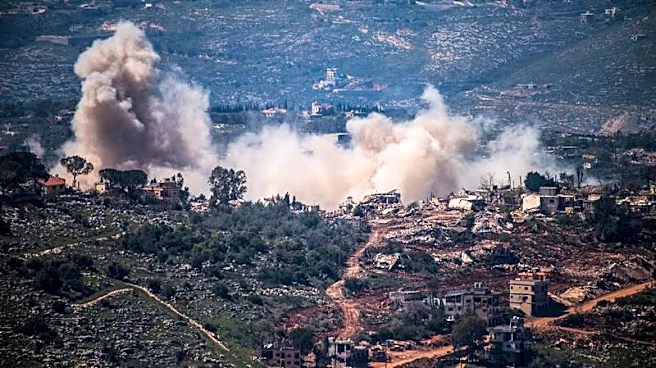
An ambush attributed to Hezbollah resulted in the deaths of two French peacekeepers and injuries to two others in southern Lebanon. The attack targeted a United Nations Interim Force in Lebanon (UNIFIL) explosive ordnance disposal team on April 18, during
a ceasefire between Israel and Hezbollah. French President Emmanuel Macron has called for the Lebanese authorities to arrest those responsible. The ambush occurred while the team was clearing a road blocked by recent fighting. Despite Hezbollah's denial of involvement, both UNIFIL and Israel's military have pointed to the group as the perpetrators. The incident has been condemned as a violation of international humanitarian law.
Why It's Important?
This attack underscores the ongoing volatility in the region and the risks faced by peacekeeping forces. The deaths of the French peacekeepers highlight the dangers of international military involvement in Middle Eastern conflicts. The incident could strain diplomatic relations and complicate peacekeeping efforts, as it challenges the effectiveness of UNIFIL's mission. The attack also raises questions about Hezbollah's influence and the stability of the ceasefire with Israel. The broader implications include potential shifts in international military strategies and the future of peacekeeping operations in Lebanon.
What's Next?
Following the attack, French and Lebanese authorities are expected to intensify their investigation to identify and apprehend those responsible. The incident may prompt discussions within the United Nations about the future of UNIFIL, especially given the Security Council's decision to end the mission's mandate by the end of 2026. France has indicated its willingness to maintain a presence in the region, which could lead to new diplomatic and military strategies. The international community will likely monitor the situation closely, as further escalations could impact regional stability.