







What's Happening?
A recent scientific review published in Discover Polymers highlights the growing importance of hydrogels synthesized from natural polymers as sustainable alternatives to petroleum-derived polymer networks. These natural hydrogels, characterized by a two-phase
architecture of a solid crosslinked matrix interspersed with liquid, primarily water, offer high elasticity, tunable viscosity, and responsiveness to environmental cues. Unlike synthetic polymers, which contribute to plastic pollution due to their lack of biodegradability, biopolymers sourced from renewable resources are biocompatible, non-toxic, and undergo benign enzymatic biodegradation. The review details the structural foundations of these sustainable matrices, which are derived from terrestrial plants, marine organisms, and agricultural residues like corncobs, bagasse, bamboo, cotton, and cereal straw. Key biopolymers include lignin, starch, carrageenans, and chitosan, each offering unique properties for hydrogel formation. Material scientists categorize the assembly of these natural hydrogels into physical, chemical, and radiation-induced crosslinking mechanisms, each with distinct thermodynamic and structural trade-offs. This development marks a significant shift towards more environmentally friendly materials in various applications.
Why It's Important?
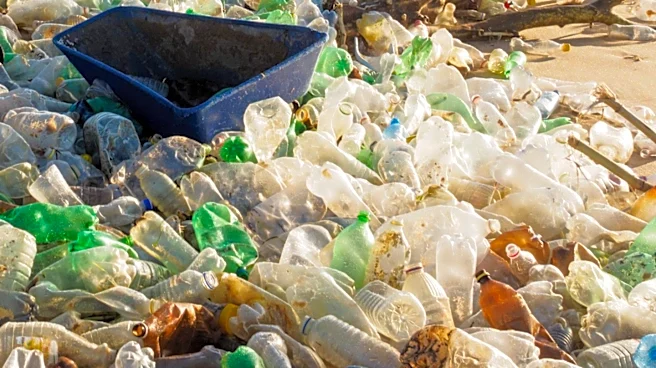
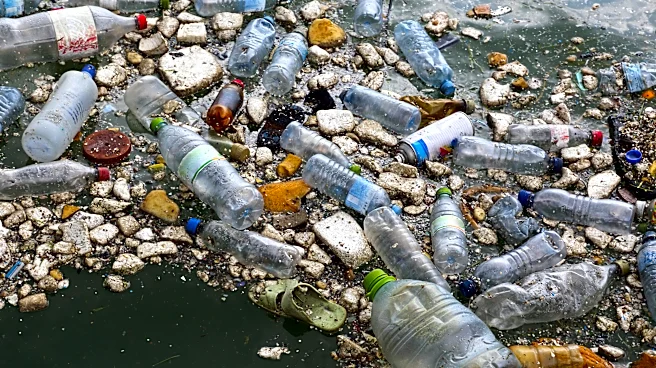
The emergence of natural polymer hydrogels is crucial for addressing several pressing U.S. and global challenges, particularly in environmental sustainability and healthcare. The reliance on petroleum-derived polymers has led to persistent plastic pollution in terrestrial and marine environments, posing significant ecological and health risks. By offering biodegradable and biocompatible alternatives, natural hydrogels can reduce the environmental footprint of numerous industries. In the medical sector, these hydrogels are advancing targeted medicine and regenerative systems, providing safer and more effective therapeutic delivery systems and tissue engineering scaffolds. Their intrinsic biocompatibility minimizes adverse reactions, a critical factor in patient care. Furthermore, their application in environmental remediation, such as wastewater treatment and sustainable agriculture, offers solutions for removing hazardous pollutants and improving crop resilience. This shift could lead to new U.S. industries focused on biopolymer production and application, fostering economic growth while promoting ecological responsibility. The development also reduces dependence on fossil fuels for polymer production, contributing to energy independence and a greener economy.
What's Next?
The future of natural polymer hydrogels involves overcoming several ongoing chemical and engineering hurdles to enable their widespread adoption in clinical therapies and industrial-scale environmental systems. Researchers are focused on standardizing biopolymer refining protocols to address batch-to-batch compositional variations, fluctuating molecular weights, and variable purity profiles that currently complicate reproducible control of hydrogel properties. A key next step is the adoption of green chemistry principles, which involves replacing toxic chemical crosslinkers with bio-based alternatives to ensure the overall environmental and cost efficiencies of these materials. Establishing clear regulatory testing frameworks will also be essential to evaluate the long-term biocompatibility and degradation byproducts of natural hydrogels in physiological systems. Collaboration between material science, biological engineering, and green manufacturing sectors will be critical to bridge the gap between laboratory advancements and industrial-scale production. Successful implementation will likely see increased investment in biopolymer research and development, leading to a new generation of sustainable products across various sectors.
Beyond the Headlines
Beyond their immediate applications, the rise of natural polymer hydrogels signifies a broader paradigm shift towards bio-inspired and circular economy principles. This development challenges the long-standing reliance on synthetic, non-biodegradable materials, prompting a re-evaluation of industrial practices and consumer product lifecycles. Ethically, the move towards natural polymers aligns with growing public demand for sustainable and eco-friendly solutions, potentially influencing corporate social responsibility and consumer purchasing decisions. Legally, this could lead to new regulations promoting the use of biodegradable materials and restricting persistent plastic pollutants, creating a more stringent framework for product development and waste management. Culturally, it fosters a greater appreciation for natural resources and biomimicry, encouraging innovation that harmonizes with ecological systems. In the long term, this shift could trigger significant changes in supply chains, manufacturing processes, and waste infrastructure, ultimately contributing to a more sustainable and resilient global economy. The emphasis on renewable resources also has implications for agricultural practices, potentially boosting demand for specific crops and agricultural residues as raw materials.