


What's Happening?
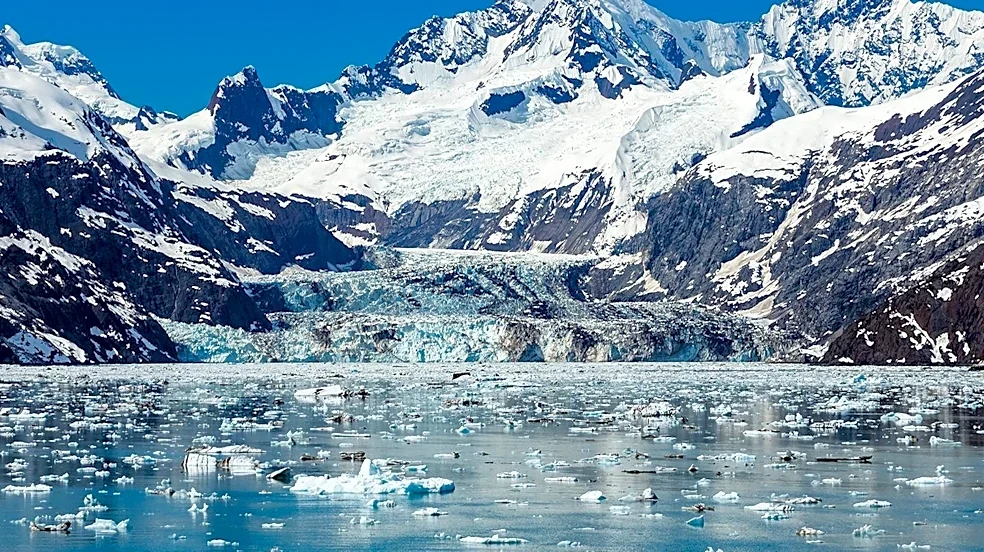
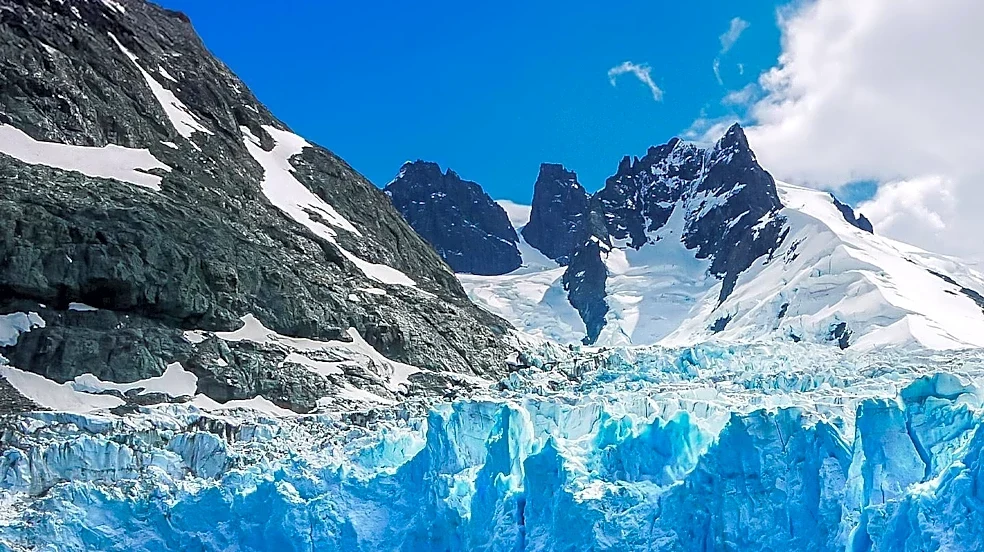
Glaciers across Alaska are experiencing significant and rapid mass loss, contributing to global sea-level rise and posing various environmental challenges. This phenomenon affects numerous glaciers, including the Meade Glacier in the Haines area and the Matanuska
Glacier, which is easily accessible from a main road. The Hubbard Glacier is also a notable feature for Alaskan cruises. The continuous melting and retreat of these ice formations are a direct consequence of warming temperatures. While specific current conditions and future projections for individual glaciers are not definitively detailed, the overall trend indicates a substantial reduction in glacial ice volume throughout the state. This widespread glacial retreat is altering landscapes, impacting local hydrology, and raising concerns about long-term ecological and geological stability in the region.
Why It's Important?
The rapid mass loss of Alaskan glaciers carries significant implications for both regional and global environments. Regionally, it affects water resources, as glaciers are crucial sources of freshwater for many Alaskan communities and ecosystems. Changes in glacial meltwater can alter river flows, impact fish populations, and affect local industries such as fishing and tourism. Globally, the melting of these vast ice bodies contributes directly to rising sea levels, threatening coastal communities worldwide with increased flooding and erosion. Furthermore, glacial retreat can trigger natural hazards, including glacial lake outburst floods and landslides, posing risks to infrastructure and human settlements. The loss of glaciers also represents a visible indicator of broader climate change, highlighting the urgent need for understanding and addressing its impacts on sensitive polar and sub-polar regions.
What's Next?
The ongoing retreat of Alaskan glaciers is expected to continue, with further implications for the region's environment and economy. Scientists will likely continue to monitor these glaciers to better understand the rate of ice loss and its specific impacts on local ecosystems and water supplies. This data will be crucial for informing future environmental policies and adaptation strategies. For industries like tourism, which heavily rely on the scenic beauty of glaciers, there may be shifts in popular destinations or the types of experiences offered as some glaciers become less accessible or diminish in size. Local communities may also need to prepare for changes in water availability and increased risks from natural hazards associated with glacial melt. The long-term trajectory points towards continued landscape transformation and ecological adjustments across Alaska.
Beyond the Headlines
Beyond the immediate environmental concerns, the rapid melting of Alaskan glaciers touches upon deeper ethical and cultural dimensions. For indigenous communities in Alaska, glaciers are often integral to their cultural heritage, traditional practices, and spiritual beliefs. Their disappearance represents not just an environmental loss but also a loss of cultural identity and historical connection to the land. Legally, the changing landscape due to glacial retreat could lead to new challenges regarding land ownership, resource management, and international agreements, especially concerning shared water resources. The visual evidence of disappearing glaciers also serves as a powerful symbol in the broader climate change discourse, prompting discussions about intergenerational equity and the responsibility of current generations to mitigate environmental damage for future ones. This ongoing transformation underscores the interconnectedness of natural systems with human societies and cultures.