








What's Happening?
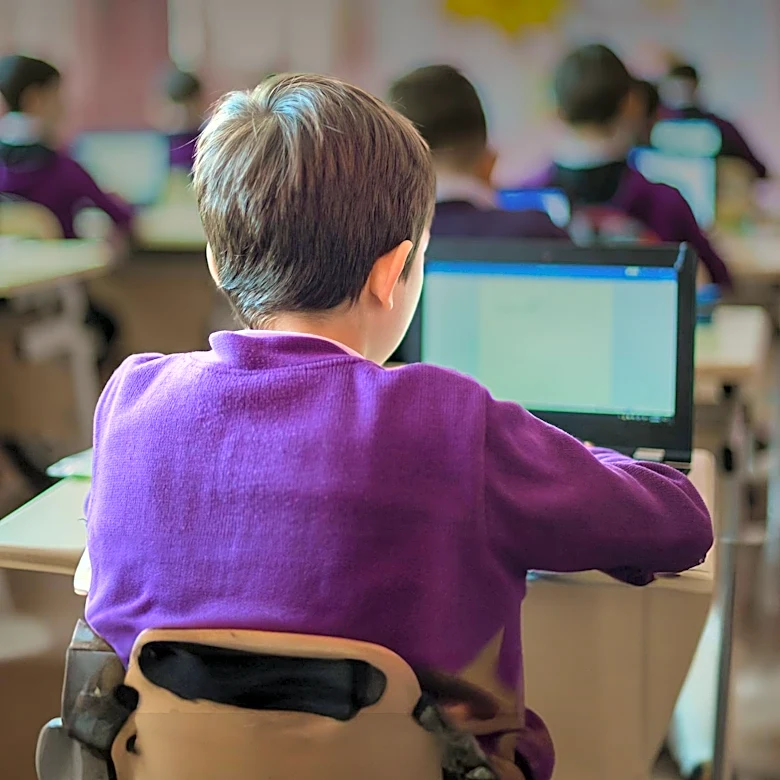
The University of Chicago Law School has introduced a new policy requiring first-year students to keep their laptops closed during classes. This measure is part of a broader strategy to ensure students develop independent thinking skills amidst the growing
influence of artificial intelligence in the legal profession. The school aims to balance the need for students to learn independently with the necessity of understanding AI's role in modern legal practice. The policy includes in-person proctored exams and oral defenses for major research papers to prevent AI-assisted cheating. This initiative comes in response to incidents at other institutions, such as Brown University, where AI-assisted cheating has been reported.
Why It's Important?
The introduction of this policy highlights the challenges educational institutions face as AI becomes more integrated into professional fields. By focusing on independent thinking, the University of Chicago Law School aims to prepare students for a legal environment where AI is prevalent. This approach could influence other educational institutions to adopt similar measures, potentially reshaping how students are taught and assessed. The policy also underscores the importance of ethical AI use in professional settings, as law firms increasingly expect new hires to utilize technology responsibly.
What's Next?
The University of Chicago Law School plans to expand AI instruction by integrating technology into legal writing courses and offering more AI-focused classes. This dual approach of fostering independent thinking and teaching ethical AI use may serve as a model for other law schools. As AI continues to evolve, educational institutions will likely need to adapt their curricula to ensure students are equipped with both foundational skills and the ability to leverage AI effectively.