






What's Happening?
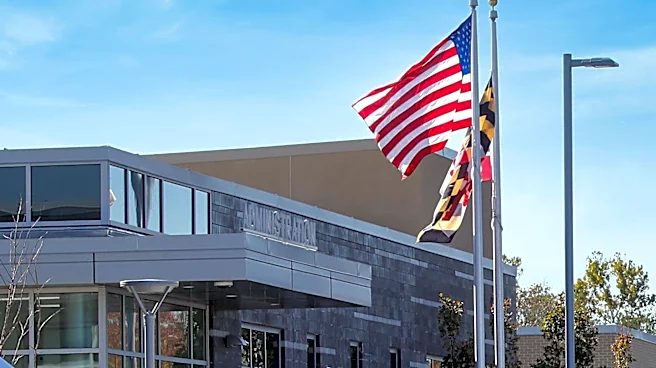
The Harford County Sheriff has testified against sanctuary policies in Maryland. This testimony is part of an ongoing discussion and debate within the state regarding immigration enforcement and the role of local law enforcement agencies. Sanctuary policies typically
limit local officials' cooperation with federal immigration authorities, often by prohibiting the use of local resources to enforce federal immigration laws. The Sheriff's opposition suggests a preference for greater collaboration between local and federal agencies on immigration matters. This stance aligns with a broader national conversation about the balance between state and federal jurisdiction in immigration enforcement and the varying approaches taken by different counties and municipalities across the United States. The testimony highlights the differing perspectives among law enforcement leaders on how best to manage immigration issues at the local level.
Why It's Important?
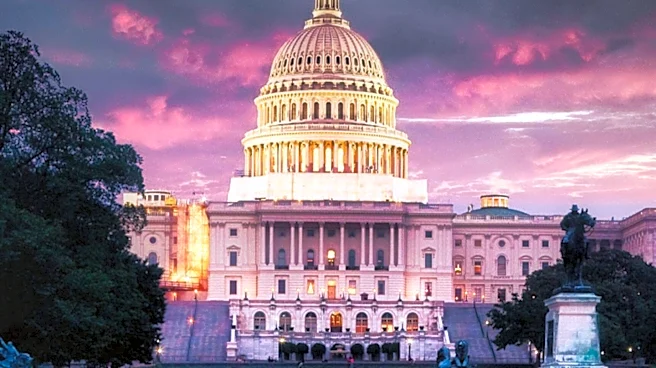
The testimony by the Harford County Sheriff against sanctuary policies carries significant implications for Maryland's legal and social landscape. If sanctuary policies are weakened or overturned, it could lead to increased cooperation between local law enforcement and federal immigration agencies, potentially resulting in more detentions and deportations of undocumented immigrants within Harford County and possibly other parts of Maryland. This could impact immigrant communities, potentially fostering distrust between these communities and local police, which some argue could hinder crime reporting and community safety efforts. Conversely, proponents of the Sheriff's stance argue that such cooperation is essential for national security and maintaining the rule of law. The outcome of this debate could set a precedent for other counties in Maryland and influence the state's overall approach to immigration, affecting both the rights of immigrants and the operational procedures of law enforcement.
What's Next?
The testimony by the Harford County Sheriff is likely to fuel further legislative debate and public discussion regarding sanctuary policies in Maryland. Lawmakers may consider new bills or amendments to existing laws that either strengthen or weaken these policies. Advocacy groups on both sides of the issue are expected to intensify their lobbying efforts, presenting arguments to state legislators and engaging with the public. Local communities, particularly those with significant immigrant populations, will be closely watching these developments, as potential changes could directly impact their residents. The state's judiciary may also become involved if legal challenges are brought against any new legislation or existing policies. The ongoing dialogue will likely shape the future of immigration enforcement and community relations in Maryland, with potential for both legislative action and continued public discourse.
Beyond the Headlines
The debate surrounding sanctuary policies, as highlighted by the Harford County Sheriff's testimony, delves into fundamental questions about federalism and local autonomy in the United States. It raises ethical considerations about the role of local police in enforcing federal laws, particularly when those laws may conflict with local community policing strategies aimed at building trust with all residents, regardless of immigration status. The long-term implications could include shifts in demographic patterns within certain areas, as immigrant families may choose to relocate to jurisdictions with more favorable policies. Economically, changes in immigration enforcement could affect local labor markets and consumer bases. Culturally, the discussion reflects deeper societal tensions regarding national identity, diversity, and the integration of immigrant populations. The outcome in Maryland could serve as a case study for other states grappling with similar issues, influencing the broader national conversation on immigration policy and its local impacts.