




What's Happening?
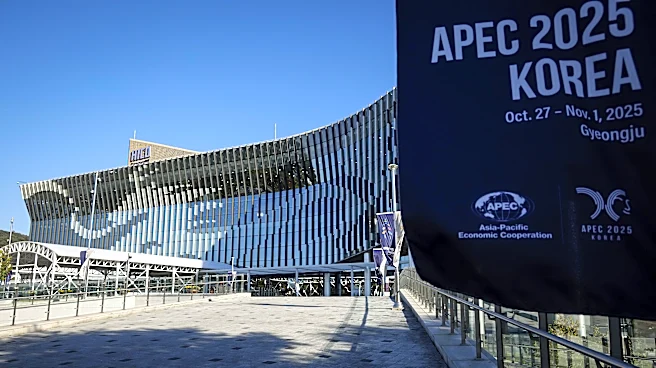
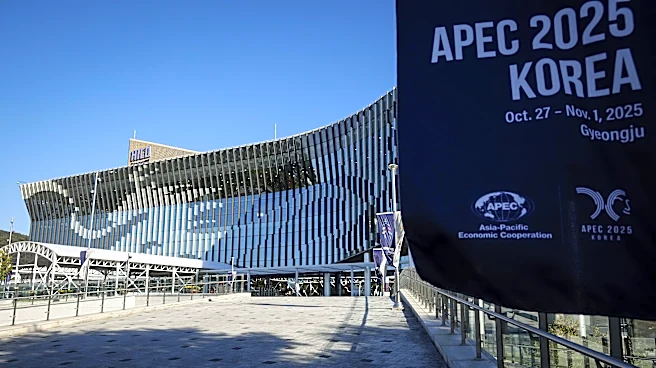
Leaders from 21 Asia-Pacific economies are preparing to gather in Shenzhen, China, for the 33rd APEC Economic Leaders’ Meeting from November 18-19. The city, known for its rapid development into a global tech hub, will host discussions centered on trade,
artificial intelligence (AI), and economic resilience. Prior to the leaders' summit, the final Senior Officials’ Meeting will take place on November 14-15, and the APEC Business Advisory Council will also meet to integrate business perspectives into the regional agenda. Beijing's choice of Shenzhen as the venue is strategic, aiming to showcase its technological advancements, including humanoid robots and emerging AI tools. The host's theme for the year is 'Building an Asia-Pacific Community to Prosper Together,' which seeks to counter rising anti-globalization sentiments and trade protectionism.
Why It's Important?
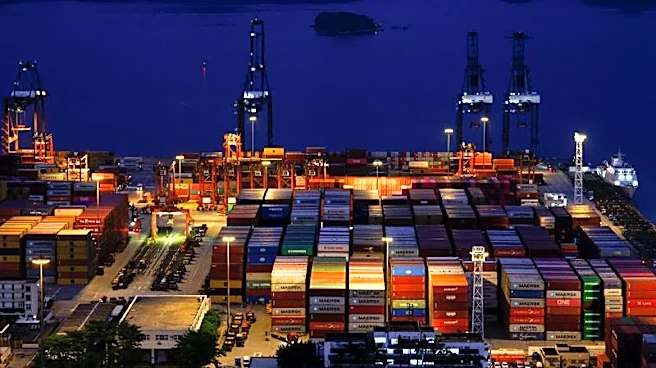
The APEC summit holds significant importance for the U.S. and the broader Asia-Pacific region as it addresses critical issues shaping global economic landscapes. Discussions on trade are particularly relevant given ongoing economic uncertainties and shifts in international supply chains. The focus on artificial intelligence highlights the growing recognition of AI's potential to drive economic growth and the need for regional cooperation in its development and adoption. For the U.S., the summit provides a platform to engage with key economic partners and address trade imbalances or disputes. The presence of President Trump, if confirmed, would be a notable event, potentially influencing the tone of U.S.-China relations and impacting tariff settings and supply chains that affect American businesses and consumers. The outcomes of these discussions could set precedents for future trade agreements and technological collaborations, impacting various U.S. industries from technology to agriculture.
What's Next?
The immediate next steps involve the conclusion of the Senior Officials’ Meeting and the APEC Business Advisory Council meetings, which will feed into the leaders' discussions. The primary focus will be on the outcomes of the 33rd APEC Economic Leaders’ Meeting itself, particularly any joint statements or agreements on trade and AI. The potential attendance of President Trump and any bilateral meetings, especially with Chinese leadership, will be closely watched for indications of future U.S.-China relations and trade policies. The summit is expected to provide a framework for promoting innovation, capacity building, and wider adoption of AI through initiatives like the APEC Artificial Intelligence Initiative (2026–2030). Business leaders at the APEC CEO Summit will also discuss AI, digital commerce, and regional economic integration, potentially leading to new partnerships and investment opportunities.
Beyond the Headlines
Beyond the immediate policy discussions, the APEC summit in Shenzhen carries deeper implications for the global technological and economic order. China's deliberate choice of Shenzhen as a 'technology showroom' underscores its ambition to lead in AI and other advanced technologies, potentially accelerating the global tech race. The emphasis on 'Building an Asia-Pacific Community to Prosper Together' can be seen as an effort by Beijing to project an image of openness and collaboration, even as trade tensions persist. For the U.S., this context highlights the ongoing challenge of balancing economic competition with the need for international cooperation on issues like AI governance and trade rules. The summit's focus on AI also raises ethical and regulatory questions about data privacy, algorithmic bias, and the future of work, which will require international dialogue and potentially new frameworks to address effectively.