



What's Happening?
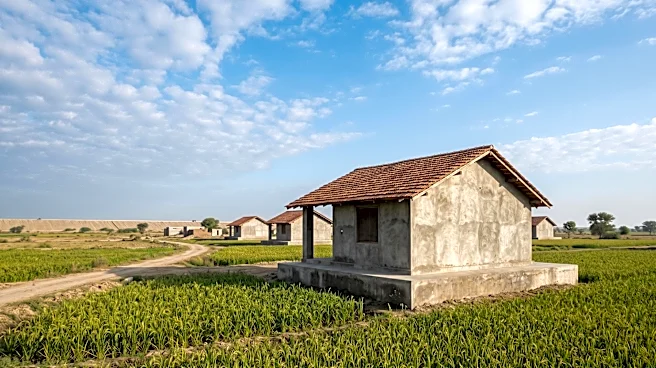
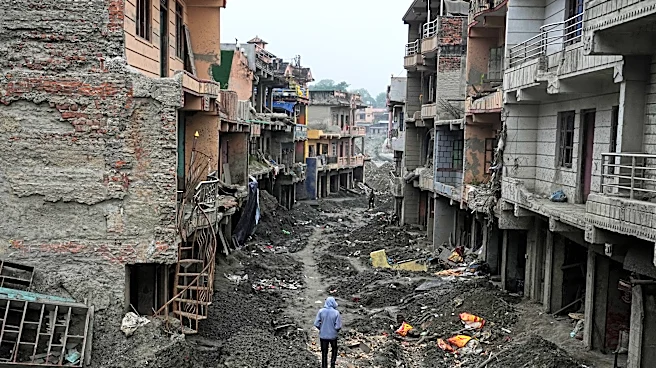
Sindh Province in Pakistan has completed the construction of over one million climate-resilient homes for families affected by the devastating 2022 floods, marking a significant milestone in post-disaster recovery. This initiative is part of a larger
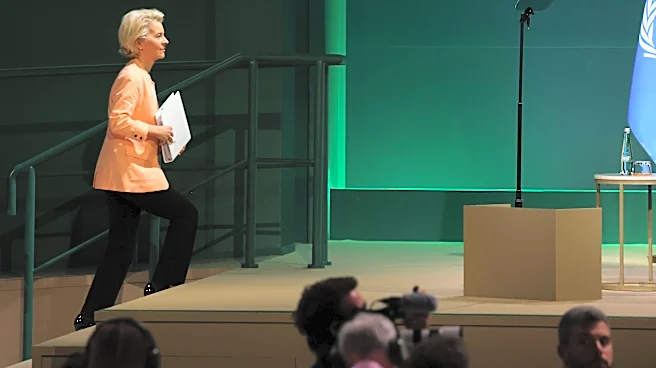
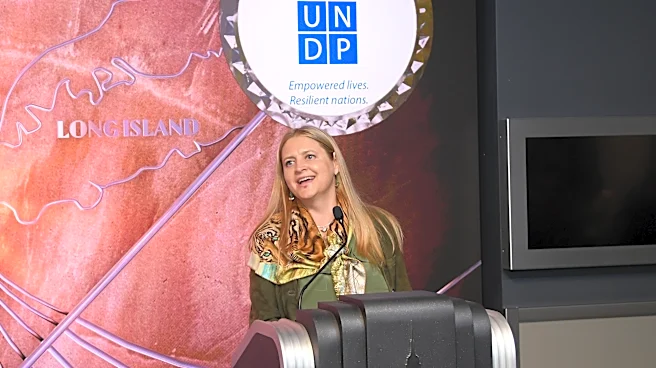
target to build 2.1 million such houses, making it the world's largest post-disaster housing reconstruction effort. Chief Minister Murad Ali Shah highlighted that women have been granted ownership rights and financial empowerment in this rehabilitation process. Beyond housing, Sindh has reconstructed 205km of protective embankments, restored 157,000 hectares of agricultural land, and strengthened the Manchar Lake protection system. The province is also rehabilitating 5,811 flood-affected schools, 141 roads, and over 1,000 damaged health facilities. These efforts were showcased at COP31, where CM Murad Ali Shah called for stronger international cooperation, equitable climate finance, and technology transfer, emphasizing that developing countries bear a disproportionate burden of climate change impacts despite contributing least to global emissions.
Why It's Important?
The extensive reconstruction and rehabilitation efforts in Sindh demonstrate a proactive approach to climate resilience, aiming to rebuild stronger and safer communities. The focus on granting women ownership rights in the housing initiative is crucial for social and economic empowerment, potentially fostering long-term stability and gender equality in affected regions. The call for equitable climate finance at COP31 underscores a critical global challenge: the disparity in climate change responsibility versus the burden of its consequences. Pakistan's experience, where reconstruction costs amounted to approximately nine percent of its GDP after the 2022 floods, highlights the immense financial strain on developing nations. The diversion of funds from essential sectors like health and education to reconstruction further exacerbates existing development challenges, making international grant-based financing vital to prevent a 'climate-debt trap' for vulnerable countries.
What's Next?
Sindh aims to complete its barrage rehabilitation and modernization program by next year, which includes the reconstruction of gates at Sukkur and Guddu Barrages. The provincial government will continue its efforts to complete the remaining 700,000 climate-resilient houses currently under construction. Internationally, Pakistan will persist in advocating for grant-based climate finance and improved access to the Loss and Damage Fund at global forums like COP31. The federal government's mapping of over 5,000 cost centers for climate-related spending indicates a move towards greater accountability and measurable outcomes for climate expenditure. Continued engagement with international development partners and investors is expected to secure support for clean energy, water conservation, and climate-resilient infrastructure in Sindh.
Beyond the Headlines
The emphasis on climate-resilient infrastructure and nature-based solutions, such as restoring mangrove forests in the Indus Delta, signifies a shift towards sustainable development practices that integrate environmental protection with disaster recovery. The Delta Blue Carbon initiative, which aims to absorb or reduce 142 million tonnes of carbon dioxide emissions, showcases a potential model for carbon credit generation that could provide additional financial resources for climate action. However, the ongoing debate about the distribution of global climate finance, where countries with high emissions receive a disproportionate share of green financing, raises ethical questions about global responsibility and equity. The challenge of diverting funds from health and education to climate-related reconstruction highlights the complex trade-offs faced by developing nations, underscoring the need for a more just and effective global climate finance architecture.