
What's Happening?
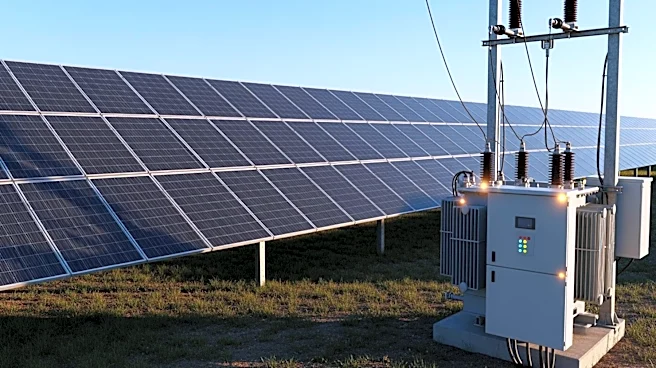
The U.S. is experiencing a significant shift towards renewable energy, particularly solar power, which is the fastest-growing source of electricity in the country. As of 2025, nearly 397 gigawatts of solar energy are
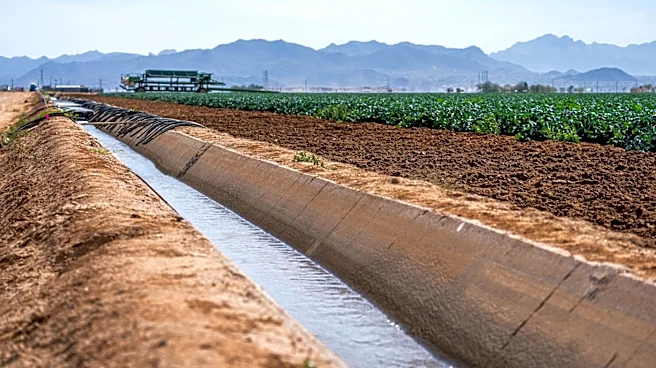
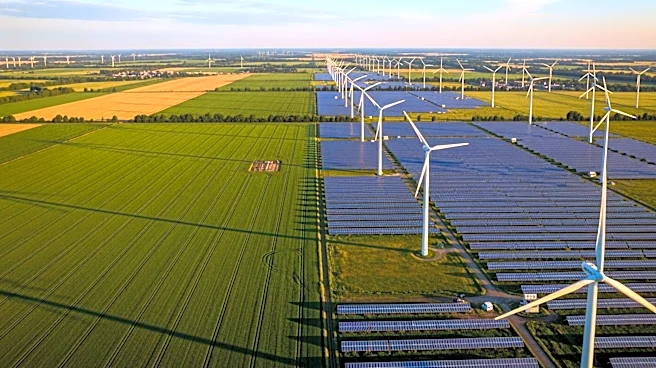
poised to come online, with 70 gigawatts expected to be operational by 2026 and 2027. This expansion requires substantial land repurposing, with a 100-megawatt solar project needing approximately 417 acres. Consequently, the upcoming solar projects will require over 320,000 acres, potentially displacing farmland, forests, and wetlands. This development raises concerns about land use, as solar projects often compete with agricultural and conservation needs. The challenge lies in balancing the need for renewable energy with the preservation of farmland and natural habitats.
Why It's Important?
The transition to renewable energy is crucial for reducing carbon emissions and combating climate change. However, the land use implications of solar energy expansion pose significant challenges. Displacing farmland could impact the agricultural sector, a vital component of the U.S. economy, while replacing forests and wetlands could harm biodiversity and ecosystem services. The decision-making process regarding land use for solar projects will determine who benefits from renewable energy expansion and who bears the ecological and social costs. This situation underscores the need for strategic planning and innovative solutions, such as agrivoltaics and ecovoltaics, to integrate energy production with agricultural and conservation goals.
What's Next?
As the U.S. continues to pursue renewable energy goals, discussions will likely focus on optimizing land use for solar projects. Stakeholders, including local planning boards and the public, will need to evaluate project proposals considering ecological and social impacts. Innovative approaches like agrivoltaics, which combines solar panels with agriculture, and ecovoltaics, which supports both energy production and ecosystem services, may offer viable solutions. These strategies could help mitigate the negative impacts of land repurposing while advancing renewable energy objectives.