






What's Happening?
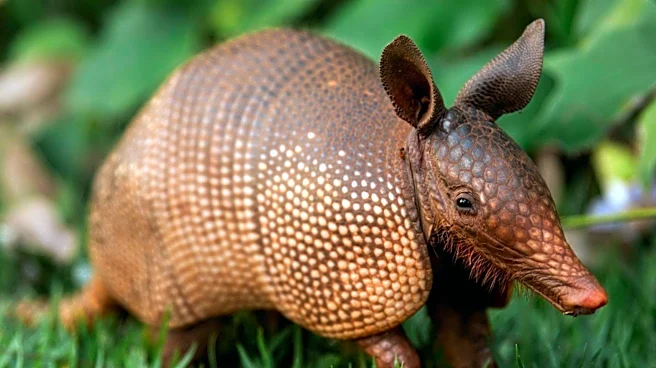
Leprosy, an ancient disease, is experiencing a resurgence in Florida, with experts attributing the rise in cases to armadillos. The disease, also known as Hansen's Disease, affects the skin and nerves and can cause lasting nerve damage if untreated. Florida has
reported an increase in cases, with 17 so far this year, primarily in Central Florida. Armadillos, natural carriers of the bacteria causing leprosy, are believed to spread the disease through soil contamination. Despite its historical stigma, leprosy is curable with antibiotics, and most people have a natural immunity.
Why It's Important?
The resurgence of leprosy in Florida highlights the need for public health awareness and preventive measures. Understanding the role of armadillos in spreading the disease can inform public health strategies to mitigate risk. The situation underscores the importance of educating the public about leprosy's curability and reducing stigma. This development may prompt health authorities to increase surveillance and research efforts to prevent further spread and protect vulnerable populations.
What's Next?
Health officials may enhance public education campaigns to inform residents about leprosy and preventive measures, such as avoiding contact with armadillos. Research into the disease's transmission and potential environmental factors could be prioritized. Collaboration between wildlife experts and health authorities may be necessary to address the ecological aspects of the disease's spread. Monitoring and reporting of leprosy cases will likely continue to ensure timely intervention and treatment.