




What's Happening?
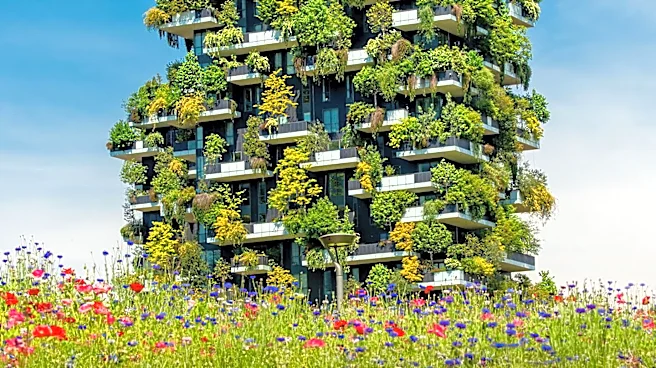
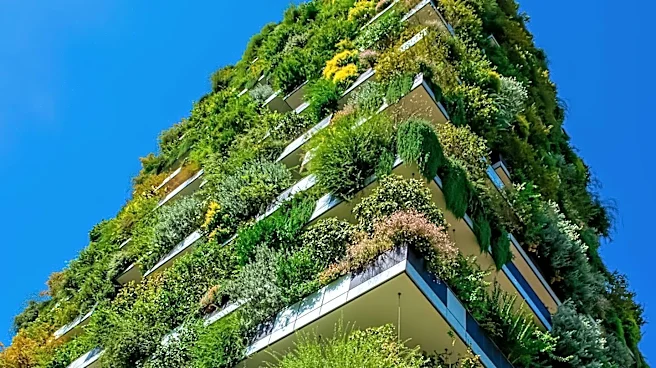
Vertical gardens, which involve supporting vegetation in a vertical arrangement on walls, freestanding structures, or purpose-designed systems, are gaining recognition for their diverse applications and benefits. These gardens can range from simple wooden
frames with succulents to complex engineered living-wall systems. They are suitable for both indoor and outdoor settings, offering aesthetic and functional advantages. Beyond their visual appeal, vertical gardens are increasingly viewed as a significant tool in addressing climate change and enhancing urban living. Their design considerations include sunlight and wind exposure, plant selection, irrigation, drainage, waterproofing, and structural support. The choice of system, whether climbing plants on trellises or modular living walls, depends on factors such as the building type, climate, budget, and maintenance capabilities.
Why It's Important?
The importance of vertical gardens extends beyond mere aesthetics, offering substantial environmental, health, and urban planning benefits. Environmentally, they contribute to climate resilience by cooling overheated cities, filtering polluted air, and reducing noise, thereby improving overall air quality. This can lead to energy savings in buildings by providing insulation and reducing the need for air conditioning. From a societal perspective, the presence of greenery has been shown to improve mental health and well-being. In urban areas, vertical gardens can foster biodiversity, creating habitats for various species where natural spaces are limited. Their ability to integrate nature into dense urban landscapes makes them a valuable solution for sustainable development and enhancing the quality of life in metropolitan areas.
What's Next?
The continued adoption and innovation in vertical garden technology are anticipated, with a focus on integrating these systems more seamlessly into architectural and urban planning. Future developments may include more advanced irrigation and nutrient delivery systems, as well as plant species specifically bred for vertical environments. There will likely be an increased emphasis on understanding the long-term maintenance requirements and cost-effectiveness of different vertical garden types to ensure their sustainability. As cities continue to grow, vertical gardens are expected to play a larger role in green infrastructure initiatives, potentially influencing building codes and urban design standards to promote their widespread implementation. Research into their full ecological impact and optimal design for various climates will also be crucial.
Beyond the Headlines
The rise of vertical gardens signifies a broader shift in how urban environments are conceived, moving towards a more integrated and symbiotic relationship with nature. This trend challenges traditional notions of urban development, where green spaces are often relegated to parks or ground-level landscaping. Vertical gardens represent a re-imagining of building facades and urban structures as living ecosystems, blurring the lines between architecture and nature. This has profound ethical implications regarding our responsibility to create healthier, more sustainable cities and to mitigate the environmental impact of urbanization. Culturally, they could lead to a greater appreciation for biophilic design and a renewed connection between urban dwellers and the natural world, fostering a sense of stewardship for the environment within dense population centers.