





What's Happening?
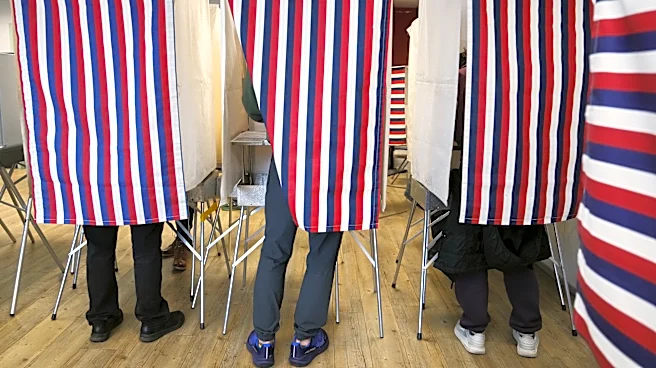
At least seven U.S. states have publicly confirmed the involvement of National Guard units in activities related to the November 3 midterm elections. In Washington state, approximately 100 National Guard service members, in civilian clothing, will assist
in monitoring ballot drop boxes across seven counties. Governor Bob Ferguson initiated this 'Election Neighborhood Watch' program as a precautionary measure, citing a 2024 arson attack on a ballot drop box and reports of suspicious packages sent to election officials. In Iowa, Colorado, and North Carolina, National Guard personnel are primarily focused on protecting election cyber infrastructure. North Carolina's Joint Cybersecurity Task Force will monitor election networks with the state Emergency Operations Center, while Colorado Governor Jared Polis ordered Guard assistance for cyber protection in June. Iowa's Guardsmen will collaborate with Secretary of State Paul Pate to identify and prepare for potential cyber threats. Alabama and Oklahoma also saw National Guard specialists involved in October following incidents involving suspicious packages at state election offices.
Why It's Important?
The deployment of the National Guard in U.S. midterm elections, particularly for cyber protection and physical security of ballot infrastructure, highlights growing concerns about election integrity and security. This move reflects a proactive approach by state governors to safeguard the electoral process against both physical threats, such as arson and suspicious packages, and increasingly sophisticated cyberattacks. The involvement of military personnel, even in a supportive role, underscores the perceived vulnerability of election systems and the high stakes associated with ensuring fair and secure elections. While federal law generally restricts armed personnel at polling stations, the increasing reliance on the National Guard for cyber and logistical support indicates a shift in how states are addressing election security challenges. This trend could influence public perception of election security and potentially impact voter confidence, depending on how these deployments are communicated and perceived by the electorate.
What's Next?
The National Guard's involvement in election security is likely to continue and potentially expand in future elections, especially as cyber threats evolve and concerns about election integrity persist. The effectiveness of these deployments in deterring threats and enhancing public confidence will be closely monitored. Discussions may arise regarding the appropriate scope and nature of military involvement in civilian electoral processes, balancing security needs with concerns about potential federal interference. States may also explore further technological advancements and inter-agency collaborations to bolster election security, potentially leading to new policies and funding allocations for cybersecurity and physical protection of election infrastructure. The experience from these midterm elections will likely inform future strategies for safeguarding democratic processes in the U.S.
Beyond the Headlines
The deployment of the National Guard in U.S. elections, even in a civilian capacity, touches upon fundamental questions regarding the militarization of civilian functions and the delicate balance between security and democratic principles. While the stated purpose is to protect election integrity, the presence of military personnel, regardless of their attire, can evoke different reactions among the populace. A Democracy and Security Network poll indicated that a significant portion of Americans are wary of federal troops overseeing elections, suggesting a potential for heightened concerns about interference. This situation also highlights the evolving nature of threats to democratic processes, moving beyond traditional physical security to encompass complex cyber warfare. The long-term implications could include a redefinition of the National Guard's role in domestic affairs and a broader societal debate on how to best secure elections without compromising the civilian nature of democratic institutions.