


What's Happening?
Ohio Representative Jim Jordan has voiced concerns regarding the current economic climate, specifically highlighting the impact of President Trump's commercial policies and the conflict in Iran on fuel costs and overall economic unpredictability. According
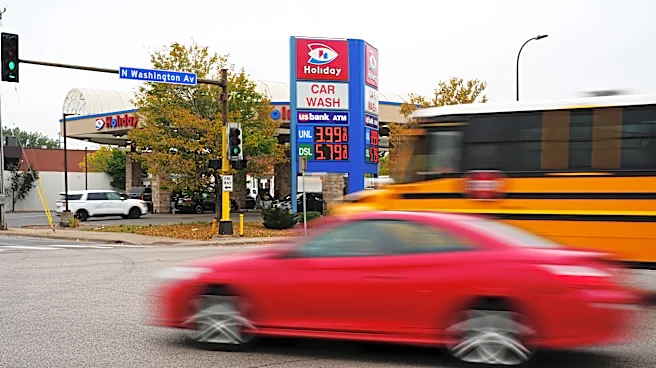
to The Associated Press, Jordan stated, "Things still cost too much. And so we’ve got to work on that issue." This sentiment reflects a broader anxiety among voters, as evidenced by a roundtable discussion where Ohio Senator Jon Husted heard directly about 'skyrocketing' expenses, partly attributed to tariff uncertainties. The economic situation, characterized by inflated fuel costs and general unpredictability, is emerging as a significant factor for voters as the Election Day approaches, influencing the political landscape for both parties.
Why It's Important?
The concerns raised by Representative Jordan underscore the critical role of economic issues in the upcoming elections. High costs and economic uncertainty directly affect American households and businesses, potentially swaying voter sentiment. President Trump's commercial policies, including tariffs, and geopolitical events like the conflict in Iran, are creating tangible economic pressures such as increased fuel prices. This environment makes it challenging for Republican candidates, as voter dissatisfaction with the economy and President Trump's approval ratings on economic management have declined. The focus on these issues by prominent lawmakers like Jordan indicates that economic stability and affordability will be central themes in political campaigns, influencing legislative priorities and public policy debates.
What's Next?
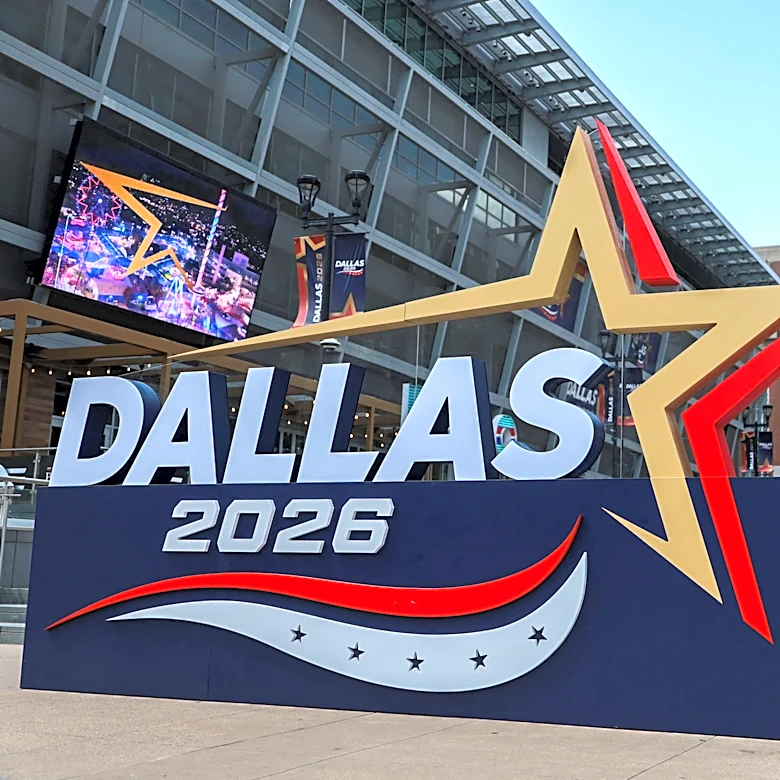
As Election Day draws nearer, economic issues are expected to remain at the forefront of political discourse. Republican candidates, while defending President Trump's policies, will likely need to address voter anxieties regarding high costs and economic uncertainty. President Trump is anticipated to increase his travel schedule, making numerous stops in the final month before the election to rally support. A midterm convention in Texas is also planned, where President Trump and key Senate candidates are expected to attend, further emphasizing the party's efforts to mobilize voters. The ongoing debate around tariffs and their economic impact will likely continue, with candidates offering various solutions to alleviate financial pressures on consumers and businesses.
Beyond the Headlines
The current economic uncertainty, exacerbated by trade policies and international conflicts, highlights a deeper challenge for political leaders: balancing national interests with domestic economic stability. The 'America First' approach, while aiming to protect domestic industries, can lead to tariffs that increase costs for consumers and create unpredictability for businesses. The interconnectedness of global events, such as the conflict in Iran, demonstrates how international developments can have immediate and significant economic repercussions at home, particularly concerning energy prices. This situation also brings to light the varying perspectives within the Republican party, with some candidates supporting President Trump's strategy while acknowledging the need for nuanced solutions to economic fallout. The long-term implications could include a re-evaluation of trade policies and a greater emphasis on energy independence to mitigate the impact of global instability on the U.S. economy.