




What's Happening?
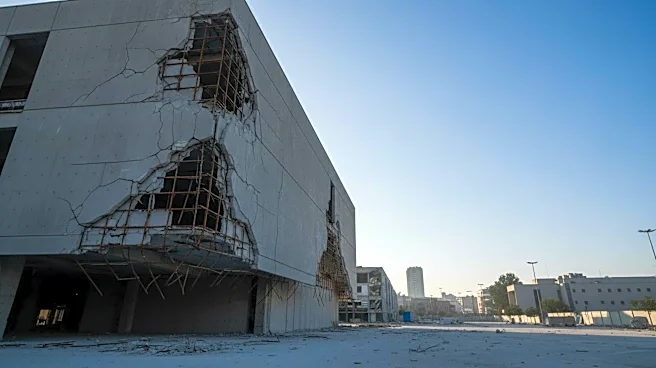
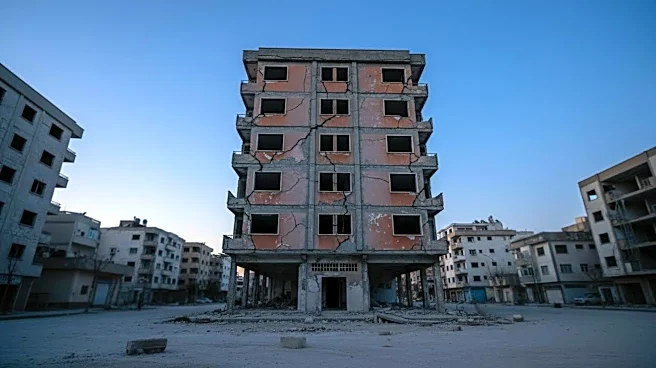
Venezuela is grappling with the aftermath of twin earthquakes that struck the country, resulting in a death toll of 2,954 and leaving over 16,000 people homeless. The earthquakes, measuring 7.2 and 7.5 in magnitude, have caused significant destruction,
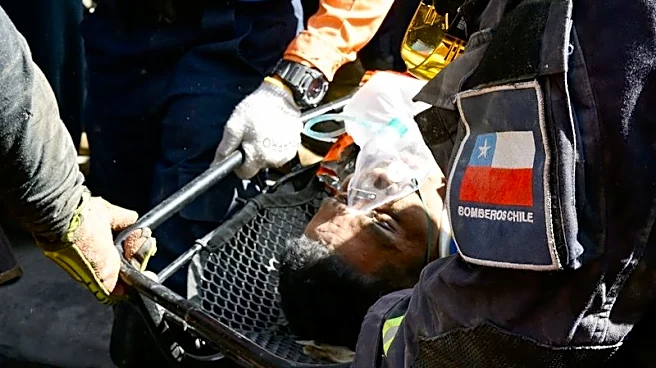
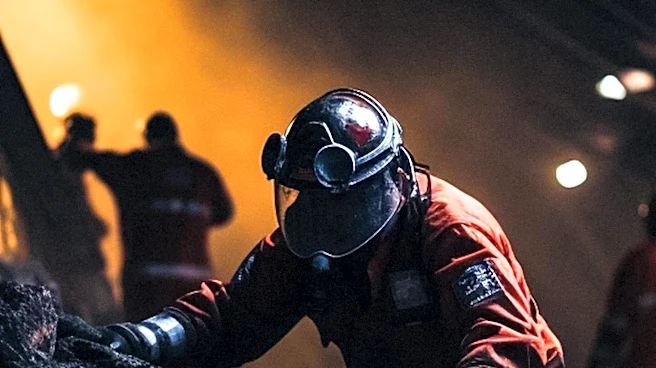
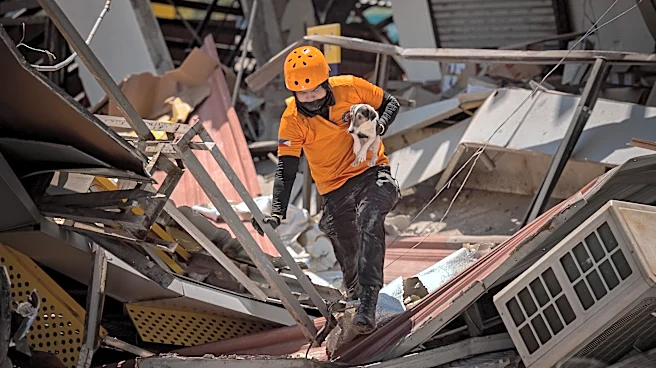
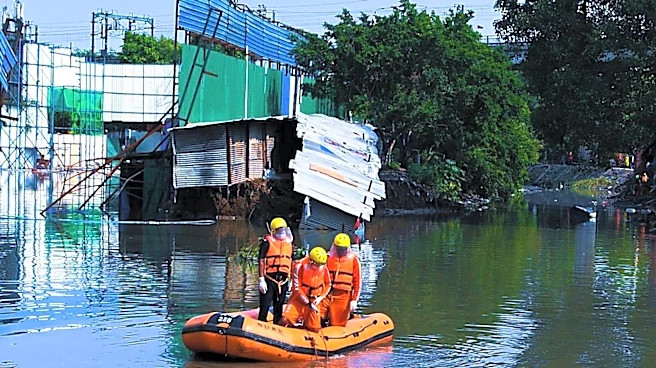
with 189 buildings confirmed collapsed. The Venezuelan government, led by Interim President Delcy Rodriguez, has faced criticism for its response to the disaster, with allegations of slow aid delivery and inadequate resources for rescue operations. Despite these challenges, international aid efforts, including a field hospital set up by the U.S. State Department, have been active in providing medical care to the affected population. The field hospital has treated around 400 patients, with plans to integrate its operations into local clinics. Civilian volunteers and international rescue teams continue to assist in the search and rescue efforts, highlighting the community's commitment to aiding those in need.
Why It's Important?
The earthquakes in Venezuela have highlighted the vulnerabilities in the country's disaster response infrastructure and the challenges faced by the government in managing large-scale emergencies. The criticism of the government's response underscores the need for improved coordination and resource allocation in disaster management. The involvement of international aid organizations, such as the U.S. State Department, reflects the global community's role in supporting countries during crises. The situation also raises concerns about the long-term recovery and rebuilding efforts required to address the extensive damage and displacement caused by the earthquakes. The humanitarian impact is significant, with thousands of people left homeless and in need of shelter, food, and medical care. The event serves as a reminder of the importance of preparedness and resilience in the face of natural disasters.
What's Next?
As the immediate rescue operations continue, the focus will likely shift towards long-term recovery and rebuilding efforts. The Venezuelan government may need to reassess its disaster response strategies and infrastructure to better prepare for future emergencies. International aid organizations are expected to play a crucial role in supporting these efforts, providing resources and expertise to help rebuild affected communities. The integration of field hospital operations into local clinics suggests a move towards sustainable healthcare solutions for the affected population. Additionally, the government may face increased pressure to address the criticisms of its response and improve its disaster management capabilities. The ongoing humanitarian needs will require continued attention and support from both domestic and international stakeholders.
Beyond the Headlines
The earthquakes in Venezuela have exposed deeper issues related to governance and infrastructure in the country. The criticism of the government's response highlights potential gaps in leadership and resource management during crises. The reliance on international aid organizations for immediate relief suggests challenges in domestic capacity to handle large-scale emergencies. The event may prompt discussions on the need for systemic reforms in disaster preparedness and response strategies. Furthermore, the humanitarian impact of the earthquakes raises ethical considerations regarding the responsibility of governments to protect and support their citizens during disasters. The situation also underscores the importance of community resilience and the role of civilian volunteers in disaster recovery efforts.