
What's Happening?
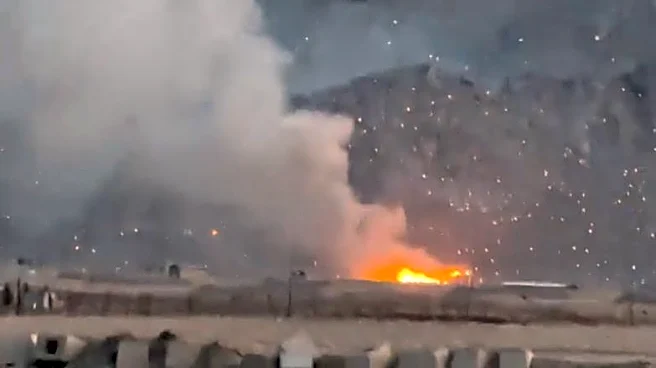
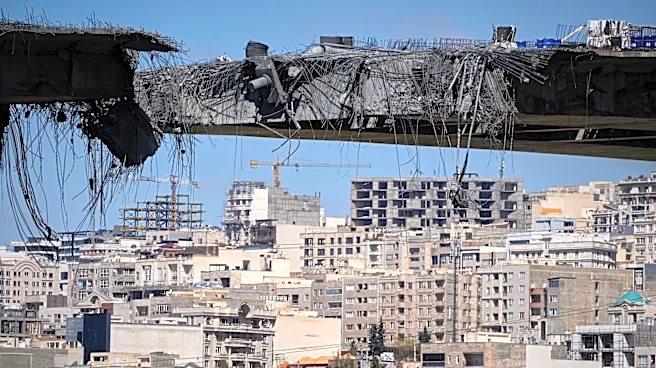
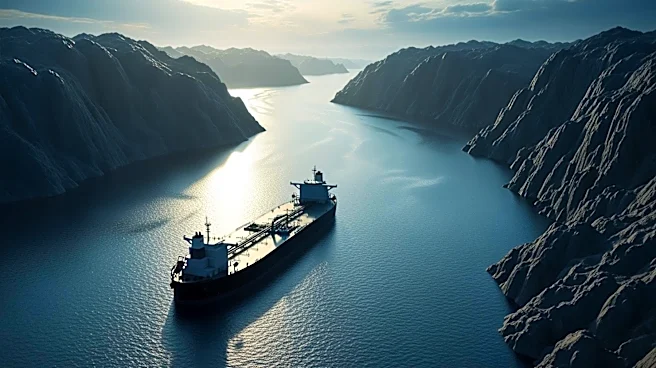
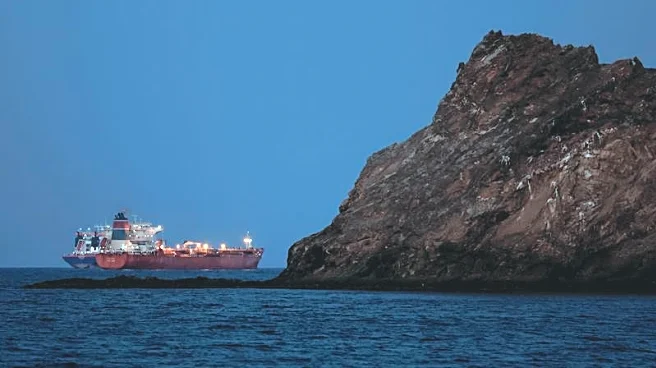
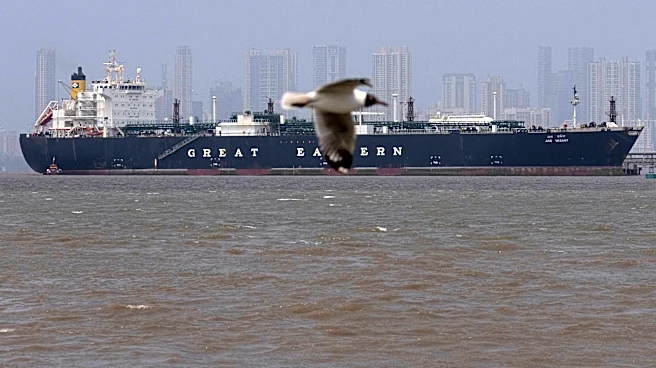
The blockade of the Strait of Hormuz by Iran has prompted over 40 countries to engage in discussions on reopening this critical energy corridor. The strait is a vital passage for approximately 20% of global oil and LNG flows, and its closure has led to significant
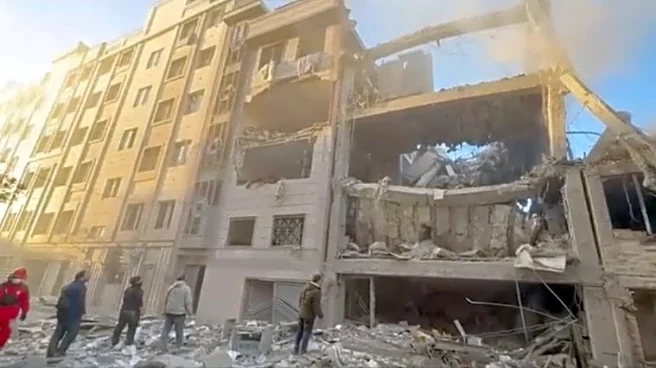
market disruptions. U.S. crude prices have surged following President Trump's indication of further escalation against Iran. The situation has highlighted the vulnerability of global energy logistics, shifting the focus from supply risk to access risk. Diplomatic efforts, including a proposed resolution by Bahrain, are underway to address the crisis and restore stability to global energy flows.
Why It's Important?
The blockade of the Strait of Hormuz underscores the fragility of global energy supply chains and the importance of secure logistics. The crisis has accelerated discussions on diversifying supply routes and investing in strategic infrastructure to mitigate future disruptions. It also emphasizes the need for coordinated international responses to ensure energy security. The situation could lead to long-term changes in energy policy and investment, with countries seeking alternative export pathways and strengthening ties with stable suppliers. The crisis serves as a wake-up call for governments and companies to prioritize resilience in energy access.
What's Next?
As diplomatic efforts continue, the focus will likely shift towards implementing long-term strategies to enhance energy security. This may include developing alternative shipping routes, increasing domestic refining capacity, and fostering regional energy alignments. The crisis could also prompt multinational interventions, such as naval protection and strategic reserves, to safeguard energy flows. The outcome of these efforts will shape the future of global energy markets and influence policy decisions aimed at reducing dependency on vulnerable chokepoints like the Strait of Hormuz.