


What's Happening?
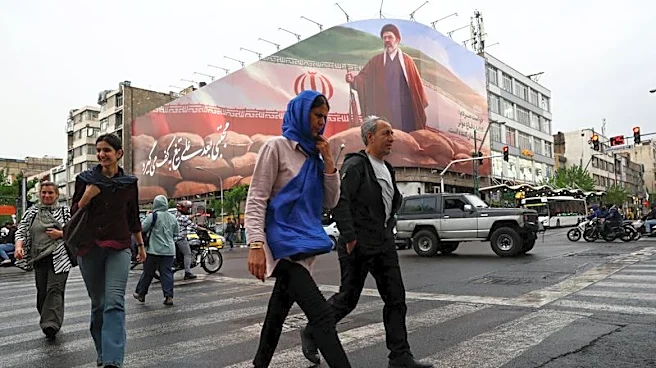
Efforts to negotiate a peace deal with Iran have reached a stalemate, two months after the U.S. and Israel initiated military action against the country. The conflict has resulted in significant casualties and disrupted global energy supplies. President
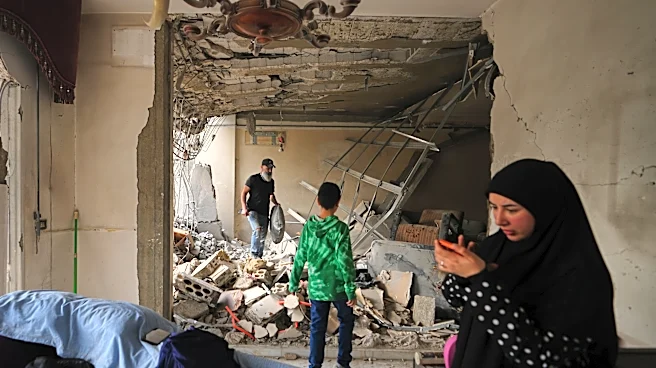
Trump has indicated that Iran is in a 'State of Collapse' and is seeking to reopen the Strait of Hormuz, a critical waterway for global oil transport. However, Iran's proposal to open the strait in exchange for lifting the U.S. naval blockade and postponing nuclear negotiations has not been accepted by the U.S. The situation remains tense, with a U.S. guided-missile destroyer recently blocking an Iranian oil tanker. Meanwhile, the ceasefire between Israel and Hezbollah in Lebanon is fragile, with ongoing military actions from both sides.
Why It's Important?
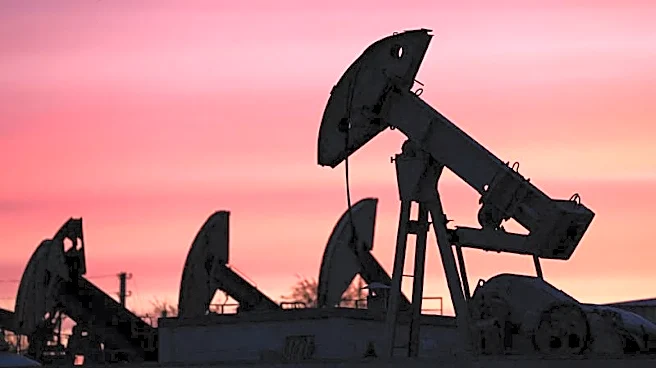
The deadlock in negotiations has significant implications for global energy markets and geopolitical stability. The Strait of Hormuz is a vital passage for about 20% of the world's oil supply, and its closure has led to increased oil prices, affecting economies worldwide. The U.S. and its allies are concerned about Iran's nuclear ambitions, which remain a central issue in the negotiations. The ongoing conflict and blockade have also strained international relations, with countries like Germany criticizing the U.S. strategy. The situation in Lebanon further complicates the regional dynamics, as the conflict with Hezbollah continues to escalate.
What's Next?
The U.S. and Iran are expected to continue diplomatic efforts, although the path forward remains uncertain. The U.S. demands that Iran abandon its nuclear ambitions, while Iran seeks relief from economic sanctions and military pressure. The international community is closely monitoring the situation, with potential implications for global oil markets and regional security. The fragile ceasefire in Lebanon may also influence future negotiations, as both Israel and Hezbollah continue to engage in military actions.