


What's Happening?
A recent U.S. military operation in Venezuela, which led to the capture of President Nicolás Maduro, has highlighted potential shortcomings in Chinese military technology. The raid, which took place in Caracas, reportedly demonstrated the U.S.'s technological
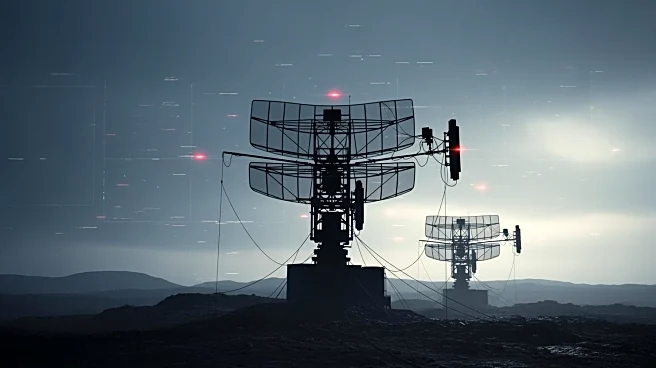
superiority over Chinese-made JY-27A mobile anti-stealth radars used by Venezuela. These radars, designed to detect stealth aircraft, allegedly failed to provide early warning during the operation. The incident has sparked discussions about the effectiveness of Chinese defense systems, as well as the broader implications for China's reputation as a major arms supplier.
Why It's Important?
The failure of Chinese radars in Venezuela could have significant implications for China's defense industry and its international arms sales. As China seeks to expand its influence as a leading arms supplier, incidents like this could undermine confidence in its military technology. For the U.S., the successful operation underscores its continued military and technological edge, potentially influencing geopolitical dynamics, particularly in regions where Chinese military equipment is prevalent. This event also raises questions about the reliability of Chinese defense systems, which could impact future sales and strategic partnerships.
What's Next?
The aftermath of the raid may lead to increased scrutiny of Chinese military exports and their operational effectiveness. Countries currently using or considering Chinese defense systems might reassess their reliance on such technology. Additionally, the incident could prompt China to invest more in improving the reliability and performance of its military equipment. The U.S. may also leverage this situation to strengthen its alliances and promote its own defense technology as a more reliable alternative.