


What's Happening?
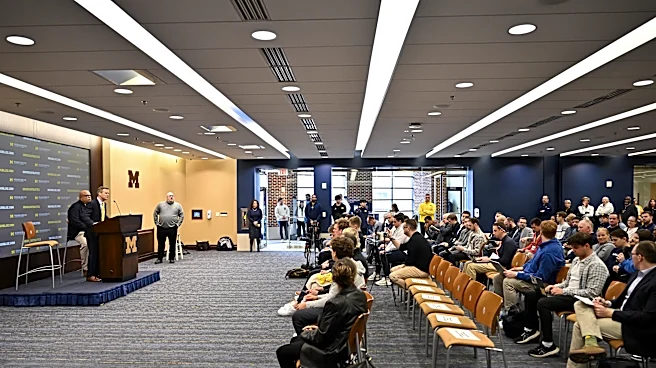
University trustees are struggling to keep pace with the rapidly changing landscape of college athletics, with only 32 percent understanding their fiduciary duties in this area, according to a survey by the Association of Governing Boards of Universities
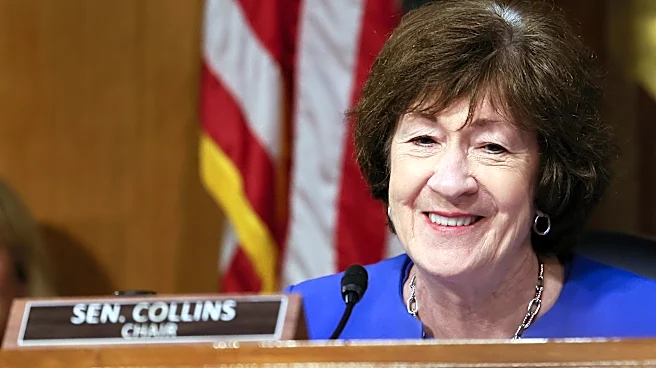
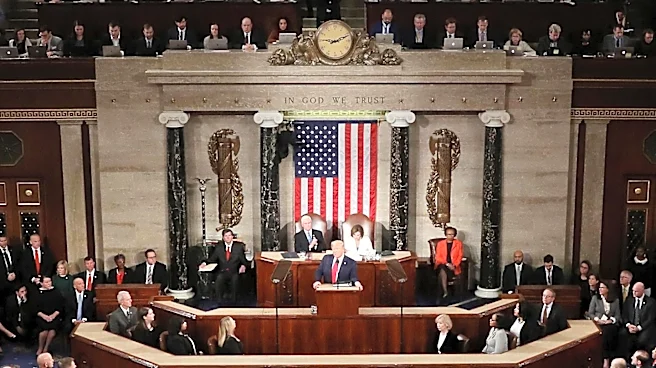
and Colleges (AGB). A recent AGB conference addressed these challenges, including financial issues and proposed legislation. A Government Accountability Office (GAO) report revealed that 94 percent of Division I and all Division II athletic programs lost money in the 2023–24 academic year, with students heavily subsidizing these losses through tuition and fees. The Protect College Sports Act, which passed the Senate but awaits a House vote, aims to set federal guidelines for player eligibility, compensation, and grant antitrust protections to the NCAA, but faces hurdles in the House.
Why It's Important?
The financial unsustainability of most college athletic programs, largely subsidized by student fees, poses a significant challenge to higher education institutions. This situation raises questions about resource allocation, tuition costs, and the core mission of universities. The proposed Protect College Sports Act is critical because it seeks to bring federal oversight and standardization to college athletics, potentially reshaping the entire system. If passed, it could provide the NCAA with much-desired antitrust protections, but also impose new regulations on player compensation and transfers. The outcome of this legislation will have profound implications for universities, student-athletes, and the future financial model of collegiate sports in the U.S.
What's Next?
The Protect College Sports Act faces an uncertain future in the House of Representatives, with only five weeks remaining in the congressional calendar year. While Republicans largely support it, Democrats are more skeptical, potentially leading to a 'take-it-or-leave-it' scenario. If the bill does not pass, the NCAA and universities will continue to operate under existing, often litigated, frameworks, potentially leading to further financial strain and legal challenges. Trustees are urged to ask 'blunt questions' about athletic investments and consider alternative financial models, such as the University of Utah's move to establish Crimson Brand Partners with private equity, to generate revenue without tapping academic funds.
Beyond the Headlines
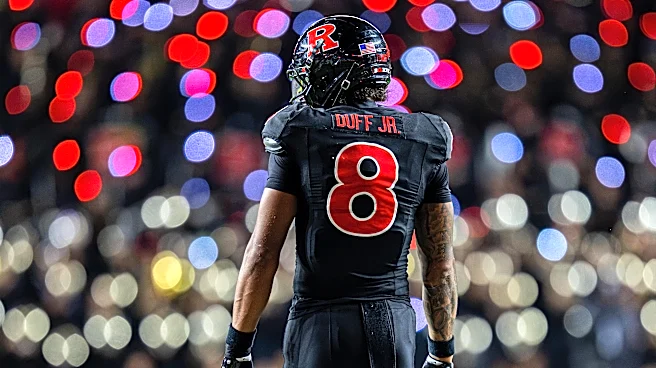
The ongoing financial struggles and legislative debates in college athletics highlight a deeper tension between the educational mission of universities and the increasingly professionalized nature of high-level sports. The discussion around player compensation and the 'professional athlete' label for some college players challenges the traditional amateurism model. The reliance on student fees to cover athletic deficits raises ethical concerns about equity and the allocation of educational resources. Furthermore, the involvement of private equity and the adoption of professional sports business models by universities signal a significant shift in how collegiate athletics are perceived and managed, potentially leading to a more commercialized and less academically integrated system in the long term.