





What's Happening?
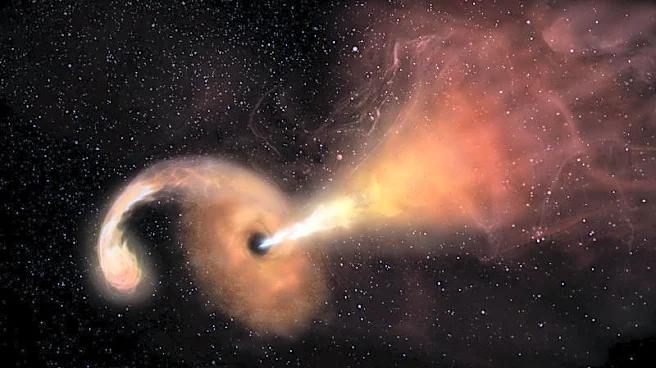
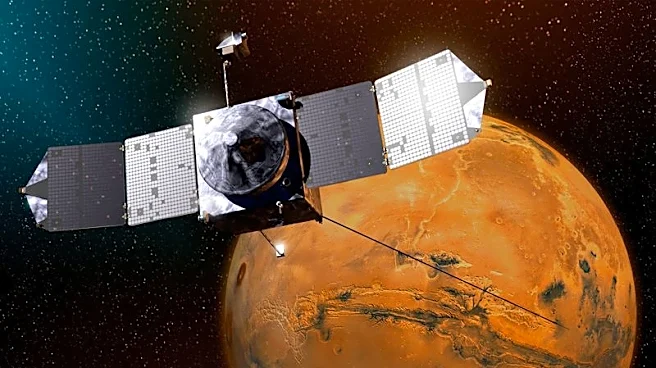
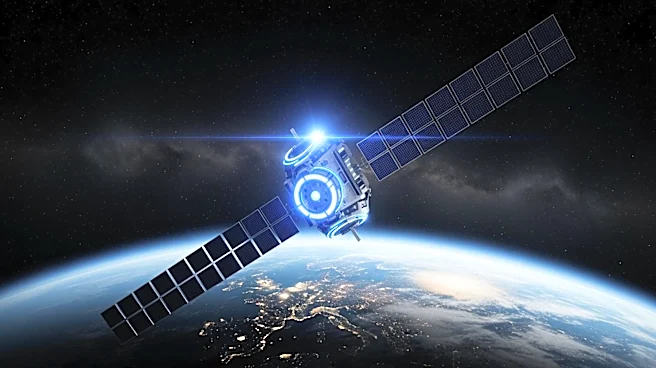
NASA has partnered with Katalyst Space to extend the mission of the Neil Gehrels Swift Observatory by raising its orbit. The observatory, which studies gamma-ray bursts and other cosmic phenomena, is experiencing rapid orbital decay due to increased solar
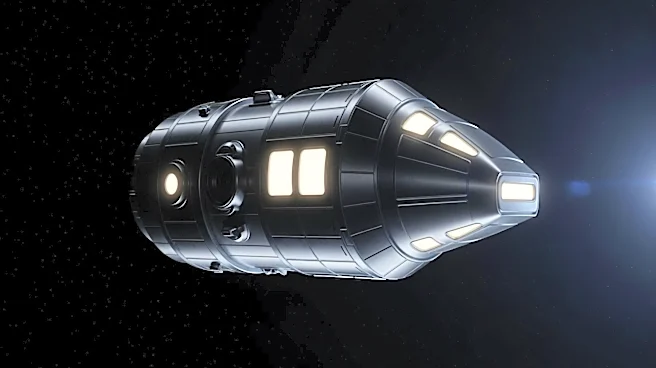
activity. To prevent its re-entry into Earth's atmosphere, Katalyst Space will use its LINK robotic servicing spacecraft to boost Swift's orbit. The mission, set to launch in June 2026 on Northrop Grumman's Pegasus XL rocket, marks the first attempt by a commercial robotic mission to service a NASA spacecraft not originally designed for in-space servicing. This initiative aims to retain Swift's unique capabilities at a lower cost than building a new mission.
Why It's Important?
This mission is pivotal for advancing spacecraft servicing technology, demonstrating the potential for commercial entities to extend the life of existing space assets. By successfully boosting Swift's orbit, NASA can continue to leverage its capabilities for studying high-energy cosmic events, which are crucial for understanding the universe. The collaboration with Katalyst Space also highlights the growing role of private companies in space exploration, potentially leading to more cost-effective and innovative solutions for future missions. This project could pave the way for similar initiatives, enhancing the sustainability and longevity of space missions.
What's Next?
Following the successful launch and orbit boost, Swift's mission will continue to provide valuable data on gamma-ray bursts and other cosmic phenomena. The success of this mission could encourage further collaborations between NASA and private companies, expanding the scope of in-space servicing capabilities. Additionally, the technology and experience gained from this mission may be applied to other aging satellites, extending their operational lifetimes and maximizing the return on investment for space missions.