








What's Happening?
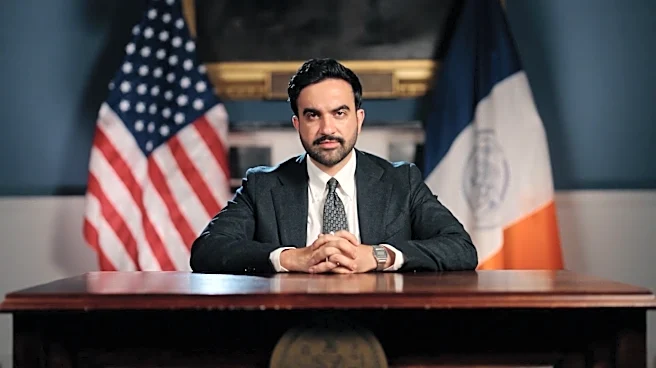
New York City Mayor Zohran Mamdani has announced a plan to open government-owned grocery stores offering a 30% discount on produce, meat, and other staples. This initiative aims to alleviate the burden of rising food prices in New York City, one of the most
expensive cities in the United States. The plan involves opening five stores, one in each borough, with the first expected to launch in the Bronx by the end of 2027. The city will provide storefronts and cover rental costs and property taxes, while private operators will manage daily operations. Mamdani, a Democrat, presented this proposal as part of a broader affordability platform to support the city's working class. However, the plan has faced criticism from smaller grocers and bodega owners who fear they cannot compete with the discounted prices.
Why It's Important?
This initiative is significant as it addresses the pressing issue of food affordability in New York City, where many residents struggle with high living costs. By offering substantial discounts on essential food items, the city aims to ease financial pressures on families. However, the plan also raises concerns about its impact on existing small businesses, such as bodegas and independent grocers, which may struggle to compete with city-subsidized prices. The proposal highlights a broader debate on the role of government in market interventions and the balance between supporting consumers and protecting small businesses. The outcome of this initiative could influence future policies on urban affordability and government involvement in retail markets.
What's Next?
The city is in the process of selecting private operators for the grocery stores, with plans to have all five stores operational by the end of Mamdani's term. The administration will need to address concerns from small business owners and conduct a thorough analysis of the program's costs and impacts. Stakeholders, including the Citizens Budget Commission, have called for a detailed examination of the initiative's effectiveness and its implications for the local economy. The success or failure of this program could shape future discussions on urban affordability strategies and government intervention in retail markets.