




What's Happening?
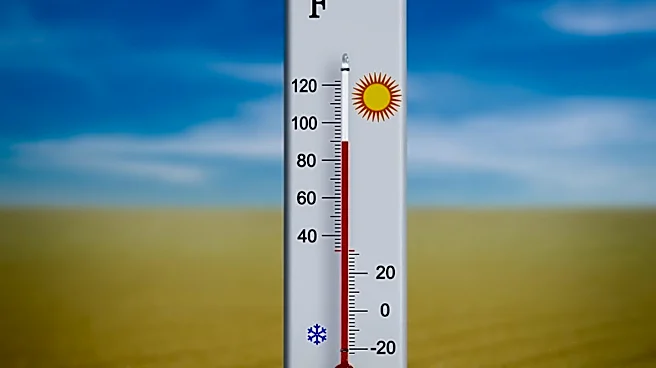
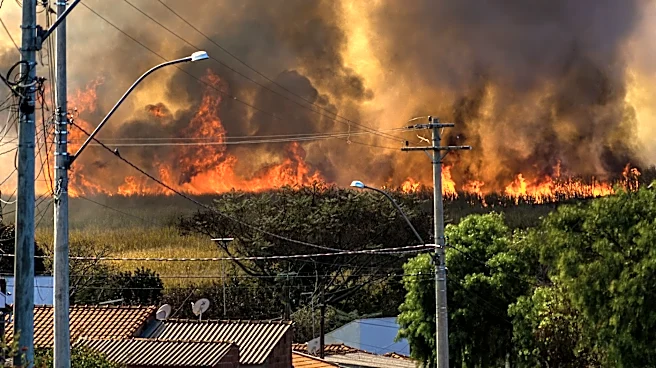
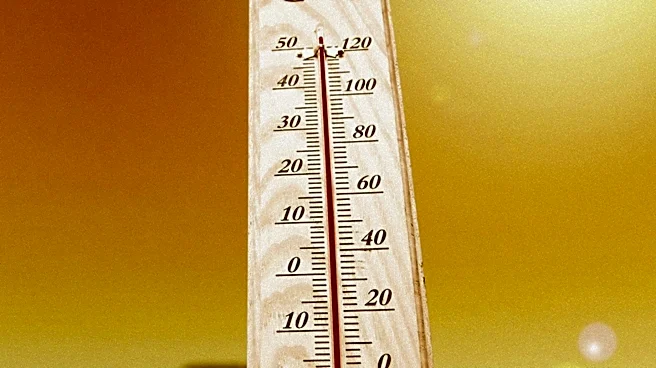
The Midwest and East Coast of the United States are experiencing extreme heat, with temperatures reaching the 100-degree mark in several major cities. The heat wave is spreading from the West into the Southern Plains and mid-Mississippi Valley, prompting
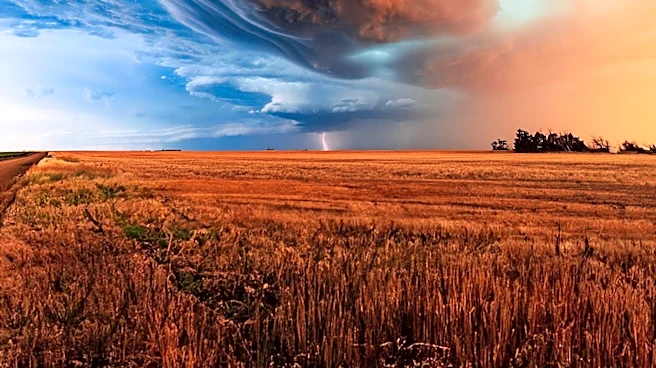
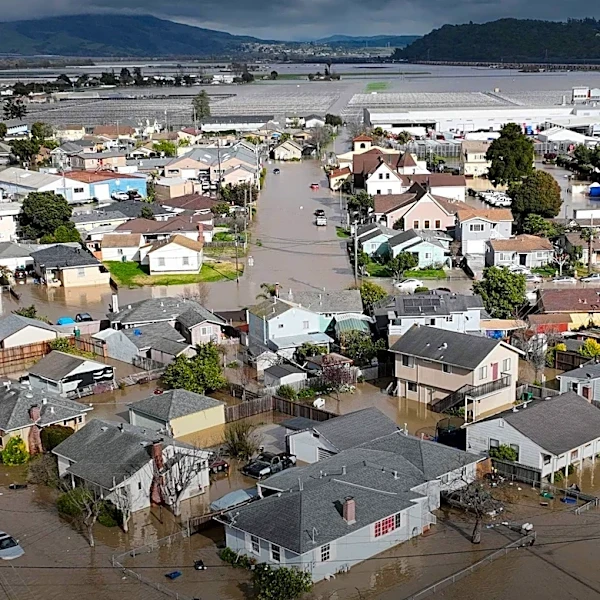
heat advisories from California to Illinois. The East Coast remains hot and humid, with heat indices making it feel significantly warmer. Meanwhile, severe weather, including thunderstorms and potential tornadoes, is forecasted for the Midwest and Dakotas.
Why It's Important?
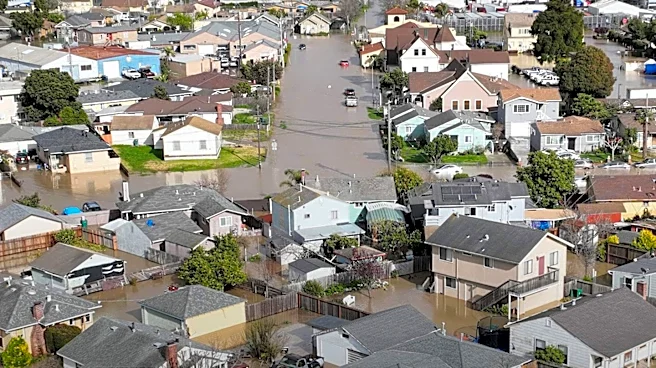
The ongoing heat wave poses significant health risks, particularly for vulnerable populations, and can lead to increased energy consumption and strain on power grids. The severe weather threats add another layer of complexity, as storms can cause damage and disrupt daily life. The situation highlights the challenges of managing extreme weather events and the need for effective emergency response and public communication strategies. It also underscores the broader impacts of climate change on weather patterns and public safety.
What's Next?
As the heat wave continues, authorities will likely focus on public health advisories and energy management to mitigate the effects. The severe weather threats will require close monitoring and potential emergency responses to address any damage or disruptions. Residents in affected areas are advised to stay informed and take precautions to ensure their safety. The situation may prompt discussions about infrastructure resilience and climate adaptation strategies to better handle future extreme weather events.