


What's Happening?
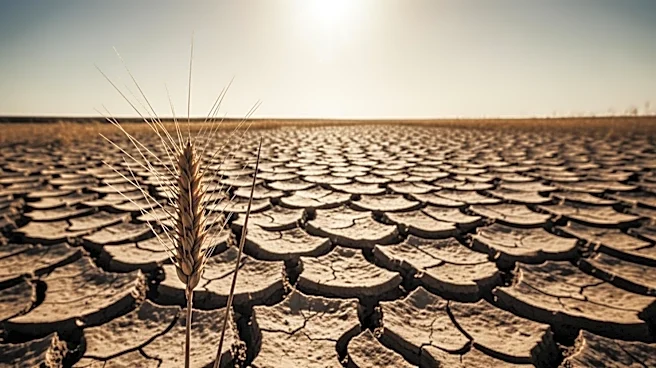
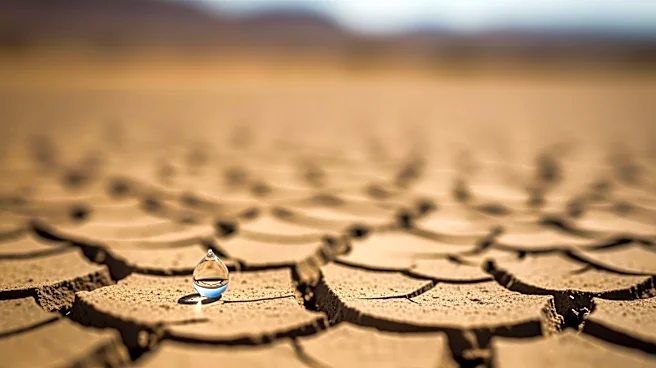
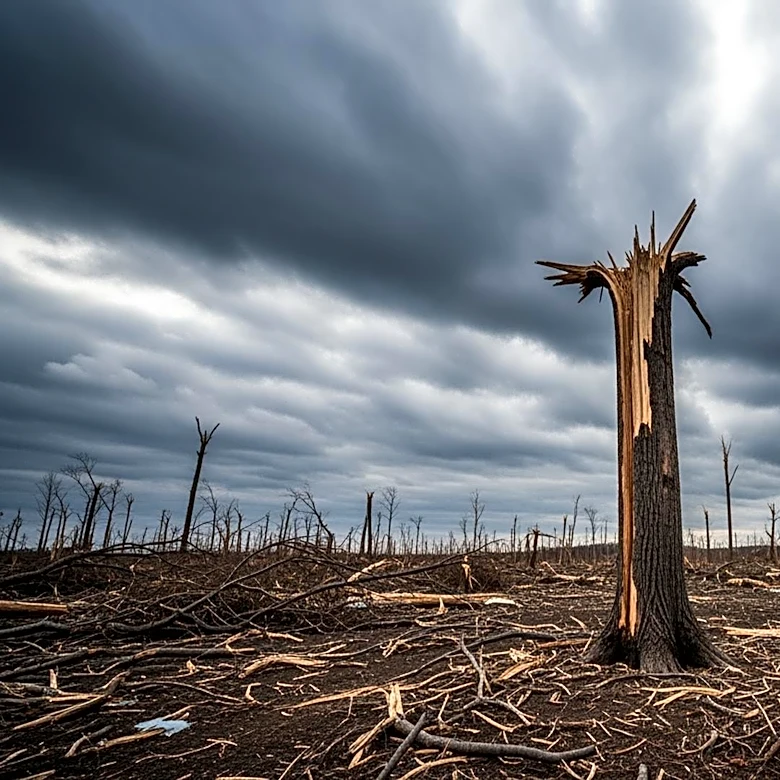
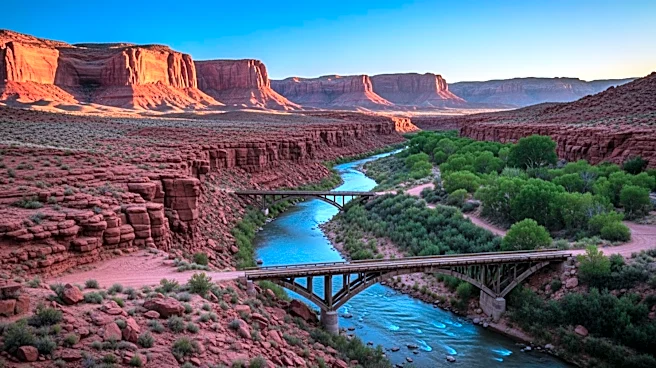
Communities across the United States are facing severe drought conditions, prompting the implementation of water restrictions. According to a recent U.S. Drought Monitor map, large areas of the country are experiencing 'extreme' to 'exceptional' drought.
This situation has been exacerbated by unusually warm weather, marking the warmest 12-month period on record for the contiguous U.S. from May 2025 to April 2026. In response, many localities have introduced staged water restrictions that escalate as drought conditions worsen. These restrictions often limit outdoor watering to one or two days per week and prohibit wasteful water uses, such as hosing down hard surfaces and allowing irrigation runoff. In some areas, stricter measures include bans on watering non-functional turf and using hoses without shut-off nozzles.
Why It's Important?
The implementation of water restrictions due to severe drought conditions has significant implications for U.S. communities, particularly in terms of water conservation and resource management. These measures aim to mitigate the impact of drought on water supplies, ensuring that essential needs are met while reducing waste. The restrictions also highlight the growing need for sustainable water management practices as climate change continues to affect weather patterns. For residents, these restrictions may lead to changes in landscaping practices and increased awareness of water usage. Economically, industries reliant on water, such as agriculture and landscaping, may face challenges, potentially leading to increased costs and changes in business operations.
What's Next?
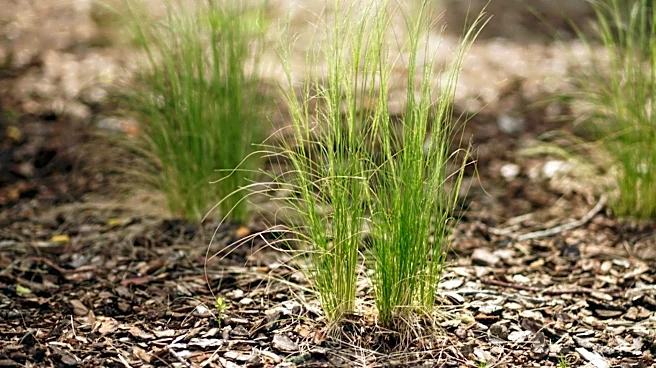
As drought conditions persist, it is likely that more communities will adopt similar water restrictions, and existing measures may become more stringent. Local governments may need to invest in public awareness campaigns to educate residents about the importance of water conservation. Additionally, there may be increased pressure on policymakers to develop long-term strategies for water resource management, including infrastructure improvements and the promotion of drought-resistant landscaping. The situation also underscores the importance of addressing climate change to prevent further exacerbation of drought conditions.