





What's Happening?
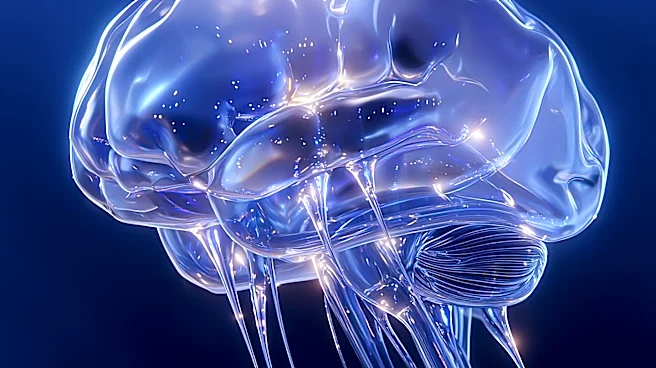
Scientists have developed a 3D 'mini-brain' model from human stem cells, roughly the size of a grain of rice, to study multiple sclerosis (MS) related damage and repair. This model, detailed in a study published in Nature Neuroscience, incorporates human nerve
cells, myelin-producing cells, and microglia, allowing researchers to observe how MS affects the nervous system and how the body attempts to repair itself. The team, led by Samantha Barton, PhD, an associate professor at the Florey Institute of Neuroscience and Mental Health in Australia, exposed these spheroids to a substance that causes demyelination, observing significant myelin destruction and fragmentation. Crucially, the model also demonstrated an early remyelination response, with newly generated oligodendrocytes forming myelin sheaths. As a proof of concept, the researchers tested clemastine fumarate, a drug currently in clinical trials for MS, and found it significantly increased new myelinating oligodendrocytes. This development offers a new platform for screening drugs aimed at protecting or restoring myelin, which is crucial as current MS treatments primarily focus on slowing disease progression rather than repairing existing damage.
Why It's Important?
This new human stem cell-derived 'mini-brain' model represents a significant advancement in multiple sclerosis research, particularly for the development of myelin repair therapies. A major challenge in MS treatment has been the inability of existing disease-modifying therapies to repair myelin damage, which is central to the neurological symptoms experienced by patients. By creating a human-relevant model, researchers can bypass the limitations of animal models, which often fail to accurately mimic human biology and disease pathways. This allows for a more precise understanding of how MS damages the nervous system and, more importantly, provides a platform to test potential drugs that can stimulate myelin production or prevent its damage. The ability to screen promising drug candidates more effectively could accelerate the discovery of treatments that not only slow disease progression but also reverse its effects, offering hope for improved quality of life for individuals living with MS.
What's Next?
The immediate next step for this 'mini-brain' model is its application in evaluating a refined set of promising drug candidates for myelin repair. While not suited for high-throughput screening of thousands of compounds, the model is ideal for in-depth testing of drugs that have already shown potential. Researchers will continue to use this platform to better understand the mechanisms driving myelin damage and repair in MS. The success of testing clemastine fumarate in this model suggests that other remyelinating drugs could also be evaluated, potentially leading to new clinical trials. The long-term goal is to leverage this model to identify therapies that can slow or prevent MS progression, ultimately aiming to reverse the disease and restore health to patients. This research could also inspire the development of similar human-relevant models for other neurological conditions.
Beyond the Headlines
The development of this 3D 'mini-brain' model has profound implications beyond just MS research. It highlights a broader shift in medical research towards more human-centric models, moving away from reliance on animal testing where biological differences can limit translational success. This approach could lead to more ethical and efficient drug discovery processes across various neurological and other complex diseases. Furthermore, the ability to recreate disease processes in a controlled, in-vitro environment opens avenues for personalized medicine, where treatments could potentially be tailored based on an individual's specific cellular responses. The ethical considerations surrounding the creation and use of human-derived 'mini-organs' will also continue to evolve, prompting discussions about the boundaries of scientific research and the definition of biological models. This innovation underscores the potential of stem cell technology to revolutionize our understanding and treatment of debilitating conditions.