







What's Happening?
Public health officials in Louisville, Kentucky, are cautioning residents that mosquitoes and ticks remain active well into the fall season, despite cooler temperatures. Connie Mendel, director and chief health strategist at the Louisville Metro Department
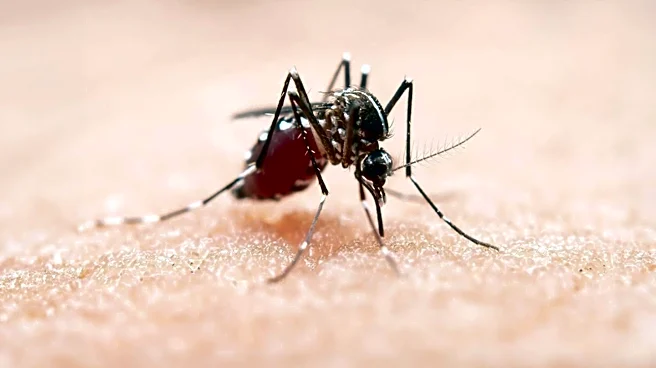
of Public Health and Wellness, stated that mosquitoes can stay active until the first significant frost and some can endure even longer, typically becoming dormant when temperatures consistently drop below 50 degrees Fahrenheit. Kentucky's recent warm weather, with daytime temperatures in the 70s and 80s, has led to increased mosquito activity. While overall mosquito populations are starting to decrease, those carrying West Nile virus are still present and continue to bite. Additionally, fall is a prime time for ticks, as fallen leaves and increased ground cover provide hiding places for them, posing a risk to individuals enjoying outdoor activities like hiking and camping.
Why It's Important?
This warning is crucial for public health as it highlights the persistent threat of insect-borne diseases even outside peak summer months. Many people mistakenly believe that cooler weather eliminates these pests, leading to a lapse in protective measures. The continued presence of West Nile virus-carrying mosquitoes means there is an ongoing risk of infection, which can have serious health consequences. For residents engaging in outdoor activities, the risk of tick bites and associated diseases like Lyme disease remains high. This situation underscores the need for consistent public education on pest prevention, regardless of the season. Failure to take precautions can lead to increased rates of vector-borne illnesses, placing a burden on healthcare systems and impacting individual well-being. The advice to check for ticks and eliminate standing water is vital for community health.
What's Next?
Louisville public health officials will likely continue to monitor mosquito and tick populations and issue further advisories as weather conditions change. Residents are advised to maintain vigilance by using EPA-registered insect repellents, wearing protective clothing like long sleeves and pants, and performing thorough tick checks after outdoor activities. Eliminating standing water around homes, cleaning gutters, and ensuring window and door screens are intact are also recommended to reduce mosquito breeding grounds and prevent entry into homes. The ongoing presence of these pests into the fall suggests that public health campaigns may need to adapt to emphasize year-round prevention strategies rather than focusing solely on summer months. Local health departments may also continue to offer tick testing services to help residents identify potential risks.
Beyond the Headlines
The extended activity of mosquitoes and ticks into the fall season could be indicative of broader climate shifts, where milder autumns create longer breeding and activity periods for these vectors. This phenomenon has significant long-term implications for public health and environmental management. It challenges traditional seasonal understandings of pest control and necessitates a re-evaluation of public health strategies. The persistence of West Nile virus highlights the ongoing ecological interplay between wildlife (birds), vectors (mosquitoes), and human populations. This situation also underscores the importance of individual responsibility in preventing bites, as community-wide interventions may not be sufficient in all contexts. The need for continuous vigilance and adaptation in personal habits reflects a changing environmental landscape where human-insect interactions are becoming more complex and prolonged.