



What's Happening?
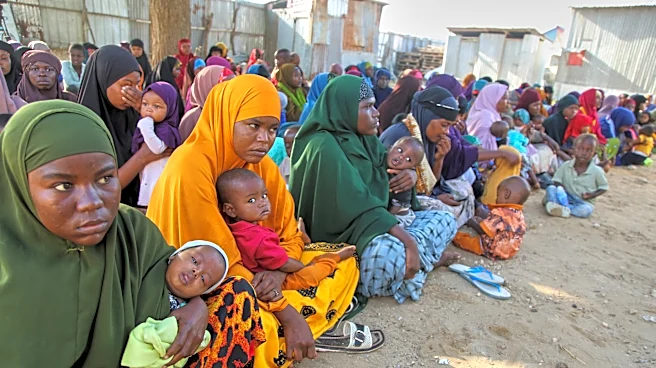
The United Nations is issuing a stark warning about a looming hunger crisis in Somalia, with approximately six million people facing high levels of hunger, a scale not witnessed in years. The World Food Programme (WFP) attributes this dire situation to
a confluence of factors including prolonged drought, ongoing conflict, and widespread displacement, which collectively prevent many Somalis from accessing sufficient food. The instability that has plagued Somalia for over three decades has consistently complicated the delivery of humanitarian aid. This already challenging situation has been significantly exacerbated by severe cuts in international aid, leaving the WFP with only a fraction of the funding required to provide essential assistance to those in need. The humanitarian community is expressing grave concerns about the potential for a full-blown disaster if immediate action is not taken to address the funding shortfall and underlying issues.
Why It's Important?
The impending humanitarian disaster in Somalia carries significant implications beyond its borders, particularly for international aid organizations and global stability. For the U.S. and other donor nations, it highlights the persistent challenges of providing effective humanitarian assistance in conflict-ridden and climate-vulnerable regions. The severe cuts in international aid could strain diplomatic relations and raise questions about the efficacy and sustainability of current foreign aid policies. Economically, a widespread famine could lead to further displacement, creating refugee flows that impact neighboring countries and potentially requiring increased international resources for resettlement and support. Socially, the crisis exacerbates existing vulnerabilities, potentially fueling further conflict and instability within Somalia and the broader Horn of Africa region. The failure to avert this disaster could undermine long-term development efforts and set back progress made in recent years, demonstrating the critical need for sustained international engagement and funding.
What's Next?
The immediate focus for international organizations and donor countries will be on mobilizing urgent funding to address the critical shortfall identified by the WFP. This will likely involve appeals for increased humanitarian aid and potentially emergency allocations from national budgets. Efforts will also be directed towards improving aid delivery mechanisms in Somalia, navigating the complex security landscape to ensure assistance reaches those most in need. Discussions among international bodies and governments will likely center on long-term strategies to build resilience against drought and conflict, including investments in sustainable agriculture, water management, and peacebuilding initiatives. The situation may also prompt a re-evaluation of international aid priorities and the allocation of resources to regions facing multiple, compounding crises. Without a significant and coordinated response, the humanitarian situation is expected to deteriorate further, leading to increased mortality and displacement.
Beyond the Headlines
The recurring humanitarian crises in Somalia, exacerbated by climate change and chronic instability, underscore a deeper systemic issue regarding global responsibility and the effectiveness of international interventions. The severe cuts in international aid, despite escalating needs, highlight a potential fatigue among donor nations or a shift in geopolitical priorities. This situation raises ethical questions about the global community's commitment to the 'Responsibility to Protect' and the moral imperative to prevent mass starvation. Culturally, the displacement and loss of livelihoods can erode traditional social structures and coping mechanisms, leading to long-term societal trauma. Legally, the challenges of delivering aid in conflict zones often intersect with international humanitarian law, raising questions about access and protection for aid workers and affected populations. The crisis serves as a stark reminder of the interconnectedness of climate, conflict, and human well-being, demanding a holistic and sustained approach that addresses root causes rather than merely symptoms.