



What's Happening?
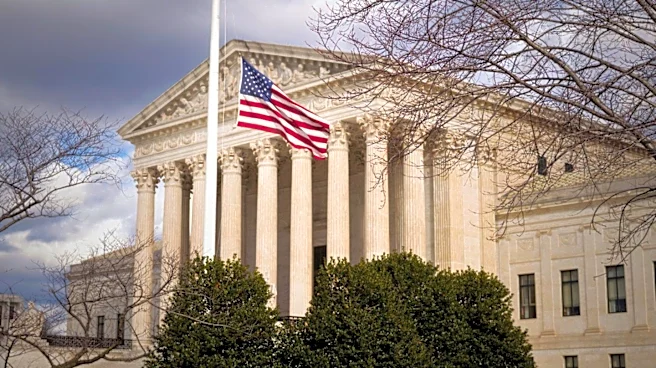
Senate Republicans voted down an amendment to the Farm Bill proposed by Senator Cory Booker, which aimed to allow consumers to sue pesticide manufacturers for health issues linked to their products. This amendment was a response to a recent Supreme Court
decision that limited such lawsuits unless the Environmental Protection Agency (EPA) required warnings. The amendment sought to restore the right of individuals to bring failure-to-warn claims against pesticide companies. The decision to block the amendment reflects ongoing partisan disagreements over the Farm Bill, which also includes debates over the Supplemental Nutrition Assistance Program (SNAP).
Why It's Important?
The rejection of the amendment has significant implications for consumer rights and public health. It highlights the tension between protecting corporate interests and ensuring consumer safety. The Supreme Court's decision and the subsequent legislative response underscore the challenges in holding companies accountable for potential health risks associated with their products. This development could affect thousands of individuals who claim harm from pesticides, as well as influence future regulatory and legislative actions regarding consumer protection and corporate liability.
What's Next?
The Farm Bill will continue to be a focal point of legislative debate, with potential revisions and negotiations expected. Advocates for consumer rights may seek alternative legislative or legal avenues to address the limitations imposed by the Supreme Court decision. The ongoing discussions around the Farm Bill could also impact other areas of agricultural and food policy, particularly as lawmakers attempt to reconcile differences over SNAP and other provisions. The outcome of these debates will likely influence future policy directions and regulatory frameworks.